Receiving a cancer diagnosis is one of life’s most challenging moments. In those crucial first days, one of the most important decisions you’ll make is choosing the right oncologist—the medical specialist who will guide you through your cancer journey. Delhi, being a major medical hub in India, offers numerous cancer specialists and treatment centers. While having options is beneficial, it can also feel overwhelming when you’re trying to make the best choice for your health.
This comprehensive guide will help you navigate the process of selecting an oncologist in Delhi who not only has the right medical expertise but also understands your unique needs and concerns.
Understanding What an Oncologist Does
Before diving into selection criteria, it’s important to understand what oncologists do and the different types of cancer specialists available.
An oncologist is a physician who specializes in diagnosing and treating cancer. They coordinate your overall cancer care, develop treatment plans, and work with other specialists to ensure comprehensive treatment. In Delhi’s healthcare landscape, you’ll encounter three main types of oncologists:
- Medical Oncologists: These specialists treat cancer primarily with medications, including chemotherapy, immunotherapy, targeted therapy, and hormone therapy. They often serve as your primary cancer doctor, coordinating your overall care.
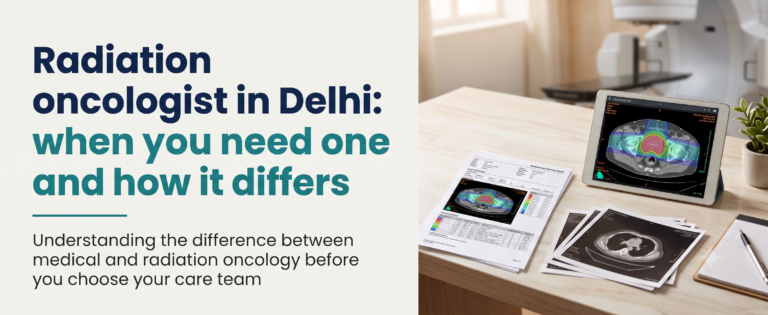
- Radiation Oncologists: These doctors specialize in treating cancer with radiation therapy, using high-energy rays to destroy cancer cells.
- Surgical Oncologists: These are surgeons who specialize in removing tumors and surrounding tissue during operations.
Most cancer patients work primarily with a medical oncologist who collaborates with other specialists as needed. This guide focuses primarily on choosing a medical oncologist, though many principles apply to selecting any cancer specialist.
Essential Qualifications to Look For
Medical Education and Certification
When evaluating an oncologist in Delhi, start with their educational credentials and board certifications. A qualified oncologist should have:
- An MBBS degree from a recognized medical college
- MD (Doctor of Medicine) in General Medicine or Internal Medicine
- DM (Doctorate of Medicine) or DNB (Diplomate of National Board) in Medical Oncology
- Registration with the Medical Council of India (MCI) or respective state medical council
International certifications from organizations like the European Society of Medical Oncology (ESMO) or American Society of Clinical Oncology (ASCO) indicate additional expertise and commitment to staying current with global oncology standards. For instance, Dr. Aditya Sarin at Sir Ganga Ram Hospital holds board certification from ESMO and has completed specialized training from Harvard Medical School in Immuno-Oncology and Precision Oncology, demonstrating advanced expertise in modern cancer treatment approaches.
Experience and Specialization
While qualifications are crucial, experience treating your specific type of cancer matters significantly. Consider:
- Years of practice: How long has the oncologist been treating cancer patients?
- Case volume: How many patients with your cancer type do they treat annually?
- Sub-specialization: Do they have special expertise in your cancer type (breast, lung, GI, etc.)?
- Research and publications: Have they contributed to cancer research in their field?
An oncologist who regularly treats your type of cancer will be more familiar with the latest treatment protocols, potential complications, and nuances that can significantly impact your outcomes.
Hospital Affiliation and Infrastructure
Your oncologist’s hospital affiliation is almost as important as their personal qualifications. The hospital’s infrastructure, support services, and treatment capabilities will directly impact your care experience.
Hospital Accreditation and Reputation
Look for oncologists affiliated with hospitals that have:
- NABH (National Accreditation Board for Hospitals) or JCI (Joint Commission International) accreditation
- Dedicated oncology departments with comprehensive cancer care facilities
- 24/7 emergency services and intensive care units
- In-house diagnostic facilities including advanced imaging (PET-CT, MRI) and pathology labs
Delhi has several premier cancer treatment hospitals, including AIIMS, Sir Ganga Ram Hospital, BLK-Max Super Speciality Hospital, Rajiv Gandhi Cancer Institute, and Tata Memorial Centre. These institutions offer comprehensive cancer care with state-of-the-art technology and multidisciplinary teams.
Treatment Capabilities and Technology
Modern cancer treatment requires advanced technology and a range of therapeutic options. Verify that the hospital offers:
- Latest chemotherapy protocols and infusion facilities
- Immunotherapy and targeted therapy options
- Precision oncology services including genetic and molecular profiling
- Access to clinical trials for cutting-edge treatments
- Radiation therapy facilities (if needed) and surgical oncology services
Precision oncology, which uses genetic testing to tailor treatment to your tumor’s specific characteristics, represents the future of cancer care. Oncologists like Dr. Aditya Sarin who specialize in precision medicine can offer personalized treatment approaches that may be more effective with fewer side effects than traditional one-size-fits-all protocols.
Communication Style and Patient-Doctor Relationship
While medical expertise is paramount, the quality of communication between you and your oncologist significantly impacts your treatment experience and outcomes. You’ll be working closely with this doctor for months or years, making the relationship crucial to your wellbeing.
What to Look for in Communication
- Clarity: Does the doctor explain medical information in terms you can understand, or do they use too much jargon?
- Listening: Does the doctor listen to your concerns, answer your questions thoroughly, and consider your preferences?
- Empathy: Do they show compassion and understanding about the emotional aspects of your diagnosis?
- Time: Does the doctor spend adequate time with you during appointments, or do you feel rushed?
- Accessibility: How easy is it to reach the doctor or their team with questions between appointments?
During your first consultation, pay attention to how the doctor makes you feel. Do you feel comfortable asking questions? Do they respect your concerns? Trust your instincts—if something doesn’t feel right in the initial meeting, it’s worth considering other options.
Shared Decision-Making Approach
Modern oncology emphasizes shared decision-making, where the doctor presents treatment options and works with you to choose the best approach based on your medical situation, values, and preferences. Look for an oncologist who involves you in treatment decisions rather than simply dictating a course of action. They should explain the pros and cons of different treatment options, potential side effects, expected outcomes, and how treatments might impact your quality of life.
Practical Considerations
Location and Accessibility
Cancer treatment often involves frequent hospital visits for chemotherapy sessions, follow-up appointments, and managing side effects. Consider:
- Proximity: How far is the hospital from your home? Delhi’s traffic can make even short distances time-consuming.
- Parking and transportation: Does the hospital have adequate parking? Is it accessible by metro or other public transport?
- Appointment scheduling: How flexible is the scheduling system? Can you book appointments at convenient times?
While you shouldn’t compromise on quality of care for convenience, choosing a location that’s reasonably accessible can reduce stress and fatigue during an already challenging time.
Cost and Insurance Coverage
Cancer treatment can be expensive, making financial considerations important. When evaluating oncologists:
- Insurance: Does the doctor accept your health insurance? What portion of treatment costs will be covered?
- Transparency: Does the hospital provide clear cost estimates before treatment begins?
- Payment options: Are payment plans or financial assistance programs available?
- Generic options: Will the doctor consider cost-effective generic medications when appropriate?
Delhi offers both government hospitals (like AIIMS) with subsidized or free treatment and private hospitals with varying price points. Don’t hesitate to discuss costs openly with your oncologist—they should be willing to work within your budget while providing quality care.
Questions to Ask During Your First Consultation
Preparing questions for your initial oncology consultation helps you gather important information and assess whether the doctor is right for you. Consider asking:
About Experience and Approach
- How many patients with my type of cancer have you treated?
- What is your approach to treatment planning?
- Do you use genetic testing or molecular profiling to personalize treatment?
About Your Diagnosis and Treatment
- What stage is my cancer, and what does that mean?
- What are all my treatment options, and which do you recommend?
- What are the goals of treatment—cure, control, or managing symptoms?
- What are the potential side effects of recommended treatments?
- How will treatment affect my daily life and ability to work?
About Support and Follow-Up
- Who will I contact if I have questions or side effects between appointments?
- What support services are available (nutrition counseling, pain management, psychological support)?
- How often will I need to come in for treatment and follow-up?
- Is it possible to get a second opinion if I want one?
Remember, there are no silly questions when it comes to your health. A good oncologist will welcome your questions and answer them patiently.
Red Flags to Watch For
While most oncologists in Delhi are dedicated professionals, it’s important to be aware of potential warning signs that might indicate you should look elsewhere:
- Dismissive attitude: The doctor dismisses your concerns, questions, or symptoms without adequate explanation.
- One-size-fits-all approach: They don’t explain why specific treatments are recommended for your particular situation.
- Pressure tactics: You feel pressured to make immediate decisions without time to consider options or get a second opinion.
- Outdated practices: The doctor doesn’t mention or offer access to newer treatment modalities like immunotherapy or precision medicine when relevant.
- Poor communication: Staff is consistently unhelpful, calls go unreturned, or you can’t get answers to important questions.
- Unclear credentials: The doctor is vague about their qualifications, training, or experience with your cancer type.
Trust your instincts. If something feels wrong or you’re uncomfortable, it’s perfectly acceptable to seek another opinion or change oncologists.
The Importance of Second Opinions
Getting a second opinion on your cancer diagnosis and treatment plan is not only your right—it’s often a wise decision. A second opinion can:
- Confirm your diagnosis and staging
- Present alternative treatment options you might not have considered
- Give you confidence in your treatment decision
- Provide peace of mind that you’ve explored all options
Most reputable oncologists support and even encourage second opinions. It’s a sign of confidence in their recommendations and respect for patient autonomy. Many hospitals in Delhi, including Sir Ganga Ram Hospital, offer formal second opinion services where specialists review your case and provide their assessment.
Making Your Final Decision
After meeting with one or more oncologists and gathering information, you’ll need to make your choice. Consider creating a comparison chart that includes:
- Qualifications and experience
- Hospital facilities and technology
- Treatment approach and philosophy
- Communication style and rapport
- Practical factors (location, cost, insurance)
- Your gut feeling and comfort level
Remember that while recommendations from family, friends, or online reviews can be helpful starting points, your personal experience and comfort with the oncologist should be the deciding factors. What works for someone else may not be the best fit for you.
Building a Strong Patient-Doctor Partnership
Once you’ve chosen your oncologist, actively work to build a strong partnership. This includes:
- Being honest and open about symptoms, concerns, and lifestyle factors
- Following treatment plans and medication schedules as prescribed
- Asking questions when you don’t understand something
- Keeping a symptom diary to help your doctor track your progress
- Bringing a family member or friend to appointments to help remember information
- Communicating promptly about side effects or new symptoms
A successful cancer treatment journey depends on teamwork between you and your medical team. Your active participation improves outcomes and quality of life.
Conclusion: Taking Control of Your Cancer Journey
Choosing the right oncologist in Delhi is one of the most important decisions you’ll make after a cancer diagnosis. While the process may seem overwhelming, taking time to research, ask questions, and trust your instincts will help you find a cancer specialist who can provide excellent medical care while supporting you as a whole person.
Remember these key takeaways:
- Prioritize qualifications, experience with your cancer type, and access to modern treatments
- Choose a hospital with comprehensive cancer care facilities and support services
- Find an oncologist whose communication style and approach align with your needs
- Consider practical factors like location and cost, but don’t compromise on quality
- Don’t hesitate to seek second opinions or change doctors if needed
- Build an active partnership with your oncology team
Delhi offers access to world-class oncologists and cancer treatment facilities. Whether you’re considering specialists at premier institutions like Sir Ganga Ram Hospital, AIIMS, or other leading cancer centers, the city provides numerous options for comprehensive, cutting-edge cancer care.
With oncologists like Dr. Aditya Sarin who specialize in precision oncology and personalized treatment approaches, patients in Delhi have access to the latest advances in cancer care, including genetic profiling, targeted therapies, and immunotherapy. These modern approaches represent hope for better outcomes and improved quality of life during treatment.
While cancer is a serious challenge, choosing the right oncologist gives you a strong partner in fighting this disease. Take your time, ask questions, and trust that you can find the right specialist to guide you through your cancer journey.
Ready to Schedule a Consultation?
Contact Dr. Aditya Sarin at Sir Ganga Ram Hospital to discuss your cancer care options. With expertise in precision oncology and comprehensive cancer treatment, Dr. Sarin and his team provide personalized, compassionate care using the latest advances in oncology.
Contact Information:
- Phone: +91 9315125514, +91 78386 82838
- Email: Dradityasarin@gmail.com
- Location: Sir Ganga Ram Hospital, Old Rajinder Nagar, New Delhi, Delhi 110060