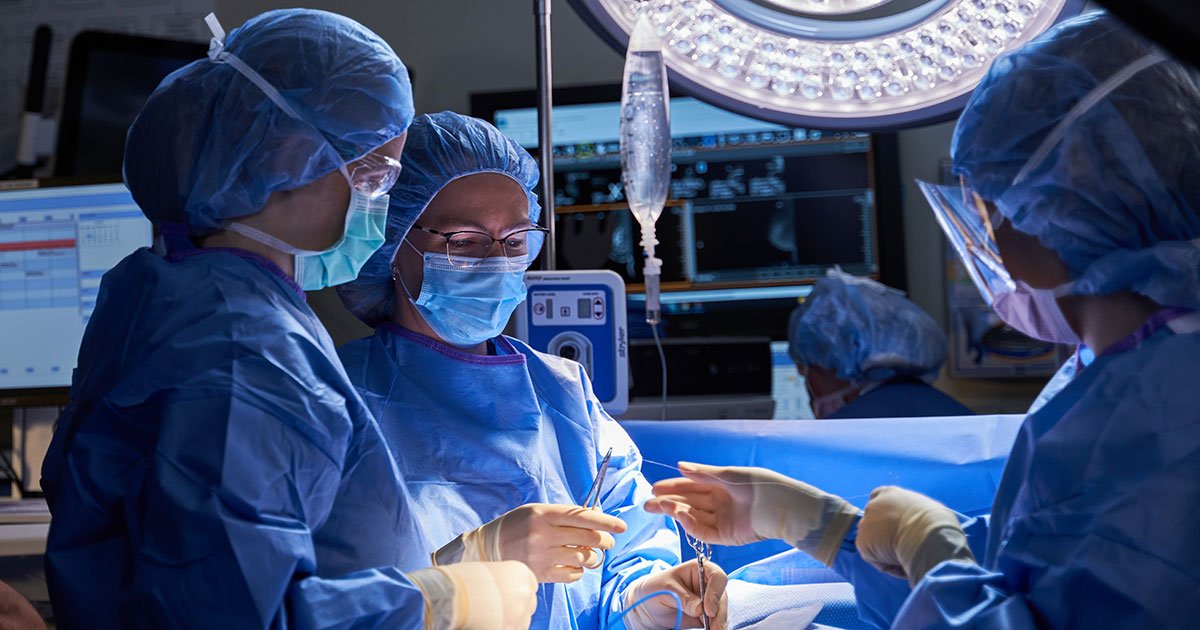
Cancer surgery is a medical procedure performed to remove cancerous tumors or affected tissues from the body. It is one of the primary treatment methods for cancer and may be used alone or in combination with other treatments like chemotherapy and radiation therapy.
Purpose
Why is Cancer Surgery Done?
Cancer surgery is performed for various reasons, including:
Removing the tumor completely.
Diagnosing cancer through biopsy.
Reducing the size of a tumor before other treatments.
Relieving symptoms and improving the quality of life.
Preventing cancer spread by removing affected organs or tissues.
Classification
Types of Cancer Surgery
There are different types of cancer surgeries depending on the type, location, and stage of cancer. These include:
Curative SurgeryRemoves the entire tumor when cancer is localized.
Debulking SurgeryRemoves as much of the tumor as possible when complete removal isn't feasible.
Palliative SurgeryEases symptoms in advanced cancer cases.
Reconstructive SurgeryRestores the appearance or function after cancer removal.
Preventive SurgeryRemoves at-risk tissues to prevent cancer (e.g., mastectomy in high-risk patients).
Minimally Invasive SurgeryLaparoscopic or robotic-assisted surgeries for quicker recovery.
Common Procedures
Common Cancer Surgeries
Mastectomy
Removal of breast cancer — from lumpectomy to radical mastectomy.
Lung Lobectomy
Removing lung cancer-affected lobes while preserving function.
Prostatectomy
Surgical treatment for prostate cancer, often nerve-sparing.
Colectomy
Removal of colon cancer with bowel continuity restoration.
Hysterectomy
Surgery for uterine or cervical cancer.
Surgical Journey
What Happens Before & After Surgery?
Before Surgery
Pre-surgical assessments, including imaging and blood tests.
Discussion with the oncologist about risks, benefits, and recovery.
Instructions on fasting and medication adjustments.
Psychological preparation and support from medical professionals.
After Surgery
Monitoring in a recovery unit to check for complications.
Pain management and wound care instructions.
Physical therapy or rehabilitation for certain surgeries.
Post-operative follow-ups for further treatment or monitoring.
Safety
Risks & Complications
While cancer surgery is often effective, it carries some risks, including:
Infection at the surgical site.
Bleeding or blood clots.
Pain and swelling.
Damage to surrounding organs.
Slow wound healing, especially in patients with other health conditions.
Recovery
Support During Recovery
Pain management through prescribed medications.
Nutritional guidance to aid healing.
Psychological and emotional support from counselors or support groups.
Rehabilitation and physiotherapy, if needed.
Regular follow-ups with the medical team for post-surgical monitoring.
Why Choose Us
Why Choose Dr. Aditya Sarin for Cancer Surgery?
At Dr. Aditya Sarin's practice, we are committed to providing top-notch cancer treatment with a patient-first approach.
Expert Oncologists & Surgeons
Led by highly skilled cancer specialists ensuring precise and effective treatments.
Advanced Surgical Techniques
Minimally invasive, robotic, and precision-guided surgeries for faster recovery.
Comprehensive Cancer Care
Integrated treatment approach with surgery, chemotherapy, radiation, and immunotherapy.
State-of-the-Art Infrastructure
Equipped with world-class technology for accurate diagnosis and treatment.
Personalized Treatment Plans
Tailored surgical approaches based on each patient's cancer type and stage.
Compassionate Support & Recovery Care
Holistic post-operative care, including rehabilitation, diet plans, and emotional support.
Mon – Fri (Morning) 10:00 AM – 12:00 PM
Mon – Fri (Evening) 4:00 PM – 6:00 PM
Saturday - Sunday Closed
Book a Consultation Today
Explore the best surgical options for you — with compassion, clarity, and expertise.
Cancer surgery is a procedure to remove tumors or affected tissue, used either as a standalone treatment or alongside chemotherapy and radiation, depending on the cancer type and stage.
What are the different types of cancer surgery?
Options include curative surgery (removing the whole tumor), debulking surgery, palliative surgery for symptom relief, reconstructive surgery, preventive surgery for high-risk patients, and minimally invasive laparoscopic or robotic-assisted procedures.
Which cancers can be treated surgically?
Common procedures include mastectomy (breast cancer), lung lobectomy, prostatectomy, colectomy, and hysterectomy, among others depending on the organ involved.
How do I prepare for cancer surgery?
Preparation typically involves imaging and blood tests, a detailed discussion with your oncologist about risks and recovery, fasting/medication instructions, and psychological support beforehand.
What does recovery after cancer surgery look like?
Recovery includes monitoring for complications, pain management, wound care, possible physical therapy, and scheduled follow-ups to plan any further treatment.
What are the risks associated with cancer surgery?
Risks can include infection, bleeding or blood clots, pain and swelling, damage to nearby organs, and slower healing in patients with other health conditions.
Does minimally invasive or robotic surgery offer faster recovery?
Yes — laparoscopic and robotic-assisted techniques are generally associated with smaller incisions, less trauma, and quicker recovery compared to traditional open surgery.
How can I book a consultation with Dr. Aditya Sarin for cancer surgery?
You can book an appointment through the website, call +91 93151 25514 / +91 78386 82838, or reach out via WhatsApp or email at dradityasarin@gmail.com.