
Header
Sir Ganga Ram Hospital, New Delhi

Ovarian cancer symptoms that are easy to miss, and why early detection matters

Ovarian cancer symptoms that are easy to miss, and why early detection matters

A guide to spotting the signs your body may already be giving you

This page is for informational purposes only and does not replace medical advice. If you’re experiencing any of the symptoms below, please see a gynaecologist or oncologist for proper evaluation. As of 2026, the information reflects current clinical guidance.

Ovarian cancer rarely announces itself. There’s no dramatic pain, no single red flag most women recognise right away. Instead, it shows up as bloating, a bit of pelvic discomfort, or feeling full after a small meal, things most of us would blame on stress or a bad lunch. That’s exactly why it’s often called a silent disease, and why understanding these early ovarian cancer symptoms can genuinely change the outcome.


What are the early symptoms of ovarian cancer?

The most commonly reported early symptoms are persistent bloating, pelvic or abdominal pain, feeling full quickly while eating, and needing to urinate more often or urgently. What makes these tricky isn’t the symptoms themselves. It’s the word “persistent.” A single day of bloating means nothing. Bloating that sticks around for two to three weeks, especially alongside one or two of the other signs, is worth getting checked.

Some women also notice unexplained changes in bowel habits, fatigue that doesn’t improve with rest, or unintended weight loss. Back pain and pain during intercourse can show up too, though these tend to appear a bit later.

None of these symptoms is unique to ovarian cancer on their own. A stomach bug causes bloating. Stress causes fatigue. That overlap is precisely the problem.


Why these symptoms get missed so often

Most of these signs mimic everyday digestive or menstrual complaints. A woman with bloating and a full feeling after meals is far more likely to be told it’s IBS, acid reflux, or “just hormones” than to be sent for an ovarian workup. Doctors aren’t wrong to consider common causes first. But when symptoms don’t resolve on their own timeline, that’s the signal to push further.

Only about 22 per cent of ovarian cancer cases are caught while still confined to the ovary. The rest are found after the disease has already spread, largely because both patients and, at times, doctors attribute the early signs to something more routine. This single gap, vague symptoms leading to delayed evaluation, is the biggest reason ovarian cancer has a lower survival rate than cancers like breast cancer, which has a clear screening tool in mammography.


What causes ovarian cancer

There’s no single cause, but a few factors clearly raise risk. Inherited mutations in the BRCA1 and BRCA2 genes are among the strongest, and they’re relevant to more than just risk. Tumours linked to these mutations often respond well to a class of targeted drugs called PARP inhibitors, which is one reason genetic testing at diagnosis matters, not just for family history purposes.

Age is another factor. Risk rises after menopause, and most cases are diagnosed in women over 50. A family history of ovarian, breast, or colorectal cancer, endometriosis, and never having been pregnant are also associated with somewhat higher risk. None of these guarantees anything. They simply shift the odds enough that awareness matters more for some women than others.


How is ovarian cancer diagnosed?

There’s no reliable population-wide screening test for ovarian cancer, which is different from how breast or cervical cancer works. According to the American Cancer Society, if a doctor suspects something based on symptoms, the usual next steps are a pelvic exam, a transvaginal ultrasound, and a CA-125 blood test. 

CA-125 gets mentioned a lot, so it’s worth being clear about what it actually tells you. It can be elevated with ovarian cancer, but it also rises with completely unrelated, non-cancerous conditions, and some ovarian cancers don’t raise it at all. It’s a supporting piece of the picture, not a standalone diagnostic test. If imaging and bloodwork raise concern, a biopsy confirms the diagnosis.


What are the stages of ovarian cancer?

Once diagnosed, staging tells you how far the cancer has spread and shapes everything about treatment. Stage I means the cancer is confined to one or both ovaries. Stage II means it has reached nearby pelvic organs. Stage III means it has spread beyond the pelvis to the lining of the abdomen or nearby lymph nodes. Stage IV means it has reached distant organs.

Survival is closely tied to stage at diagnosis. In the United States, five-year survival for localised disease sits around 92 per cent, compared to roughly 32 per cent once the cancer has spread to distant organs. That gap is the entire argument for taking early symptoms seriously rather than waiting them out.


Ovarian cancer treatment in India

Treatment typically combines surgery to remove as much of the tumour as possible with chemotherapy, and increasingly, targeted therapy for patients whose tumours carry specific mutations like BRCA1 or BRCA2. The right combination depends on stage, tumour type, and overall health, which is why a personalised plan matters more than a standard protocol.

Dr Aditya Sarin, a medical oncologist at Sir Ganga Ram Hospital, New Delhi, offers genetic testing and biomarker-driven treatment planning for ovarian cancer patients, so decisions around chemotherapy versus targeted therapy are based on the tumour’s actual biology rather than a one-size-fits-all approach. If you’ve already received a diagnosis elsewhere and want another set of eyes on your treatment plan, a second opinion is often worth the conversation, particularly for a cancer where treatment choices vary this much by individual case.


The takeaway

Ovarian cancer doesn’t come with an obvious warning sign, which puts the responsibility on paying attention to what’s persistent versus what’s passing. Bloating, pelvic discomfort, and early fullness that stick around for weeks aren’t things to sit on. If something feels off in your body and doesn’t resolve, book a consultation and have it checked properly.
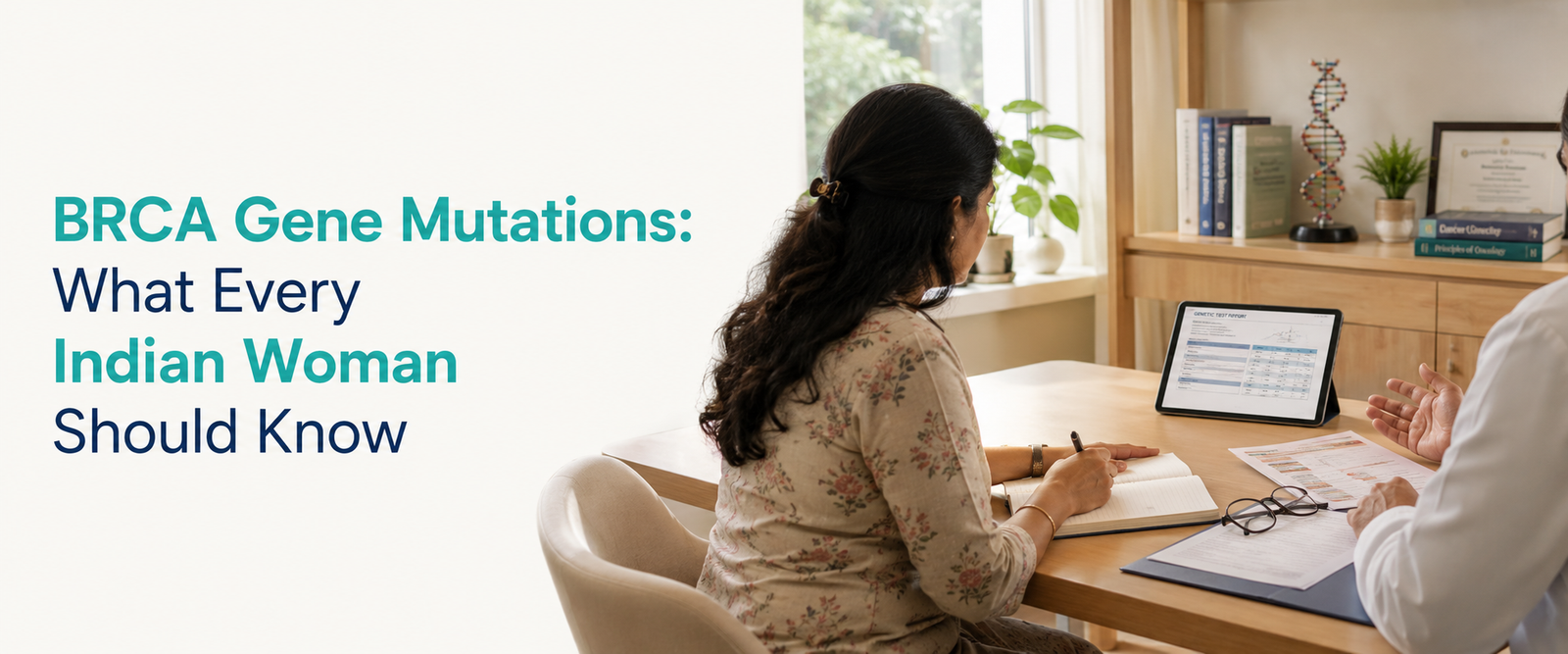
BRCA gene mutations: What every Indian woman should know

BRCA gene mutations: What every Indian woman should know

A clear guide to what BRCA1 and BRCA2 mutations actually mean for your risk, and what to do if you’re wondering whether testing is right for you

This content is for informational purposes only and does not constitute medical advice. Genetic risk is personal and complex, and any testing or risk-reduction decision should be made with a qualified doctor or genetic counsellor. As of 2026.

Most people have heard of BRCA in passing, usually connected to a celebrity who chose preventive surgery after testing positive. What gets lost in that headline version is what the gene actually does, why a mutation matters so much, and what a positive result actually means for day-to-day decisions. None of it is as frightening, or as simple, as it’s often made out to be.

This guide is built to walk through it properly.


What are BRCA1 and BRCA2 gene mutations?

BRCA1 and BRCA2 are genes that produce proteins responsible for repairing damaged DNA inside cells. Everyone has two copies of each gene, one inherited from each parent, and in most people both copies work normally.

The name is a bit misleading. BRCA stands for Breast Cancer, but the genes themselves don’t cause cancer. Quite the opposite. When they’re working properly, they actually protect against it by fixing DNA damage before it can turn into something dangerous. Problems start when one copy carries a harmful change, sometimes called a pathogenic variant, that stops it from doing this job properly.


What happens when a BRCA gene is mutated?

Having one working copy of BRCA1 or BRCA2 is usually enough to keep a cell’s repair system functioning, since only one normal copy is needed. The risk comes from what happens over a lifetime. If that second, healthy copy also gets damaged or lost in a particular cell, which happens naturally over time, that cell loses its DNA repair ability entirely and becomes far more likely to turn cancerous.

This is why BRCA-related cancers tend to develop earlier in life than typical breast or ovarian cancer, and why they can affect either breast, or lead to a second cancer in the future, more often than cancers unrelated to an inherited mutation.


How much does a BRCA mutation actually raise cancer risk?

This is the number most people actually want, and it’s worth seeing next to the general population risk for context.

Group

Lifetime breast cancer risk

Lifetime ovarian cancer risk

General population (average woman)

About 13 percent

Under 2 percent

BRCA1 mutation carrier

55 to 72 percent

39 to 58 percent

BRCA2 mutation carrier

45 to 69 percent

13 to 29 percent

Source. National Cancer Institute, BRCA Gene Changes: Cancer Risk and Genetic Testing Fact Sheet.

A few things are worth sitting with here. A BRCA mutation doesn’t guarantee cancer. Plenty of carriers never develop it. But it changes the odds substantially, and it changes the age at which cancer is more likely to show up, often well before the age routine screening typically starts. BRCA2 mutations also raise risk for men, including breast cancer and prostate cancer, and both genes are linked to a smaller increase in pancreatic cancer risk.


How common are BRCA mutations in Indian women?

This is where the picture gets genuinely important for an Indian audience, because the numbers here don’t simply mirror Western data.

A diagnostic lab study of 395 Indian breast cancer patients tested between 2021 and 2023 found BRCA mutations in 29.1% of cases, a notably high rate. Among high-risk families specifically, one of the largest Indian analyses, covering just over a thousand families, found BRCA mutations accounted for 85% of the inherited mutations identified. A separate North Indian study found a 30% prevalence of BRCA mutations among breast and ovarian cancer patients who met testing criteria, and prevalence rose to 75% among women under 40 who also had a first-degree relative with breast or ovarian cancer.

Reported prevalence across India swings quite a bit, from as low as 2.9% to as high as 38%, depending on the study population and how families were selected for testing. That range reflects real gaps in India’s genetic testing infrastructure as much as biology, since access to high-quality testing and counselling still varies a lot by region.

What all of this adds up to is fairly direct. BRCA mutations are not rare among Indian women who develop breast or ovarian cancer at a young age or who have a strong family history, and testing based on family history alone risks missing a meaningful number of carriers.


Who should consider BRCA testing?

Genetic testing isn’t recommended for everyone, and that’s actually reassuring rather than restrictive. It’s aimed at people whose personal or family history suggests a meaningfully higher chance of carrying a mutation. Situations that typically warrant a conversation about testing include:

  • Breast cancer diagnosed before age 50, especially before 40.
  • Triple-negative breast cancer, particularly under age 60.
  • Cancer in both breasts, in the same person, at any age.
  • Ovarian, fallopian tube, or primary peritoneal cancer at any age.
  • A close relative, parent, sibling, or child, with a known BRCA mutation.
  • Multiple relatives on the same side of the family with breast, ovarian, pancreatic, or prostate cancer.
  • Male breast cancer anywhere in the family.
  • Ashkenazi Jewish ancestry combined with any personal or family history of these cancers.

Having one of these factors doesn’t automatically mean a mutation will be found. It means the chance is high enough that testing is genuinely worth discussing with a doctor, rather than something to seek out purely out of general anxiety.


What does the testing process actually involve?

BRCA testing itself is straightforward for the patient. It’s usually done from a blood or saliva sample, and results typically take a couple of weeks. What matters far more than the mechanics of the swab is what happens around it.

Pre-test counselling helps set expectations, walking through what a positive, negative, or uncertain result would actually mean before the sample is even taken. This matters because BRCA results aren’t always a clean yes or no. Some tests come back with a “variant of uncertain significance,” a change in the gene whose effect on cancer risk isn’t yet clearly established. That result isn’t the same as a negative test, and it isn’t the same as a positive one either. It needs its own conversation.

Post-test counselling is just as important, particularly for a positive result, since it opens up decisions about surveillance, prevention, and whether other family members should consider testing too. Our precision oncology guide goes into more detail on how genetic and molecular testing more broadly is used to guide personalised treatment decisions.


What are the options if you test positive?

A positive BRCA result is information, not a diagnosis. It opens up a set of choices, and different people reasonably choose differently based on age, family plans, and personal comfort with risk.

Enhanced surveillance is one path, typically meaning earlier and more frequent screening, often combining mammography with breast MRI starting well before the standard screening age. For more on how screening decisions are generally made, see our guide on breast cancer.

Risk-reducing surgery is another option some carriers choose, including preventive mastectomy or removal of the ovaries and fallopian tubes, usually considered once childbearing is complete. These are significant decisions, and they’re never the only acceptable choice.

Chemoprevention, medication that lowers breast cancer risk, is an option for some carriers who prefer not to pursue surgery.

If cancer has already developed, BRCA status directly shapes treatment too. BRCA-mutated cancers often respond particularly well to a class of targeted drugs called PARP inhibitors, and to platinum-based chemotherapy, which is part of why testing matters even after a diagnosis has already been made, not just before one.


What gets in the way of BRCA testing in India?

It’s worth being honest about this rather than glossing over it. Cost is a real barrier, and testing prices vary considerably across the country. Genetic counselling capacity is another gap. In much of India, pre- and post-test counselling is handled by the treating oncologist rather than a dedicated genetic counsellor, simply because there aren’t enough trained genetic counsellors to go around yet.

None of this means testing isn’t worthwhile. It means the conversation about whether, when, and where to test is worth having directly with an oncologist who can walk through the practical realities alongside the medical ones.


The takeaway

A BRCA mutation changes the odds, but it doesn’t decide the outcome. For Indian women specifically, the data suggests these mutations are more common than many people assume, particularly among those diagnosed young or with a strong family history, which makes the decision to test, or not to test, a genuinely informed one rather than a guess.

[ Book a consultation with Dr Aditya Sarin ]

Precision oncology: How molecular profiling personalises cancer treatment

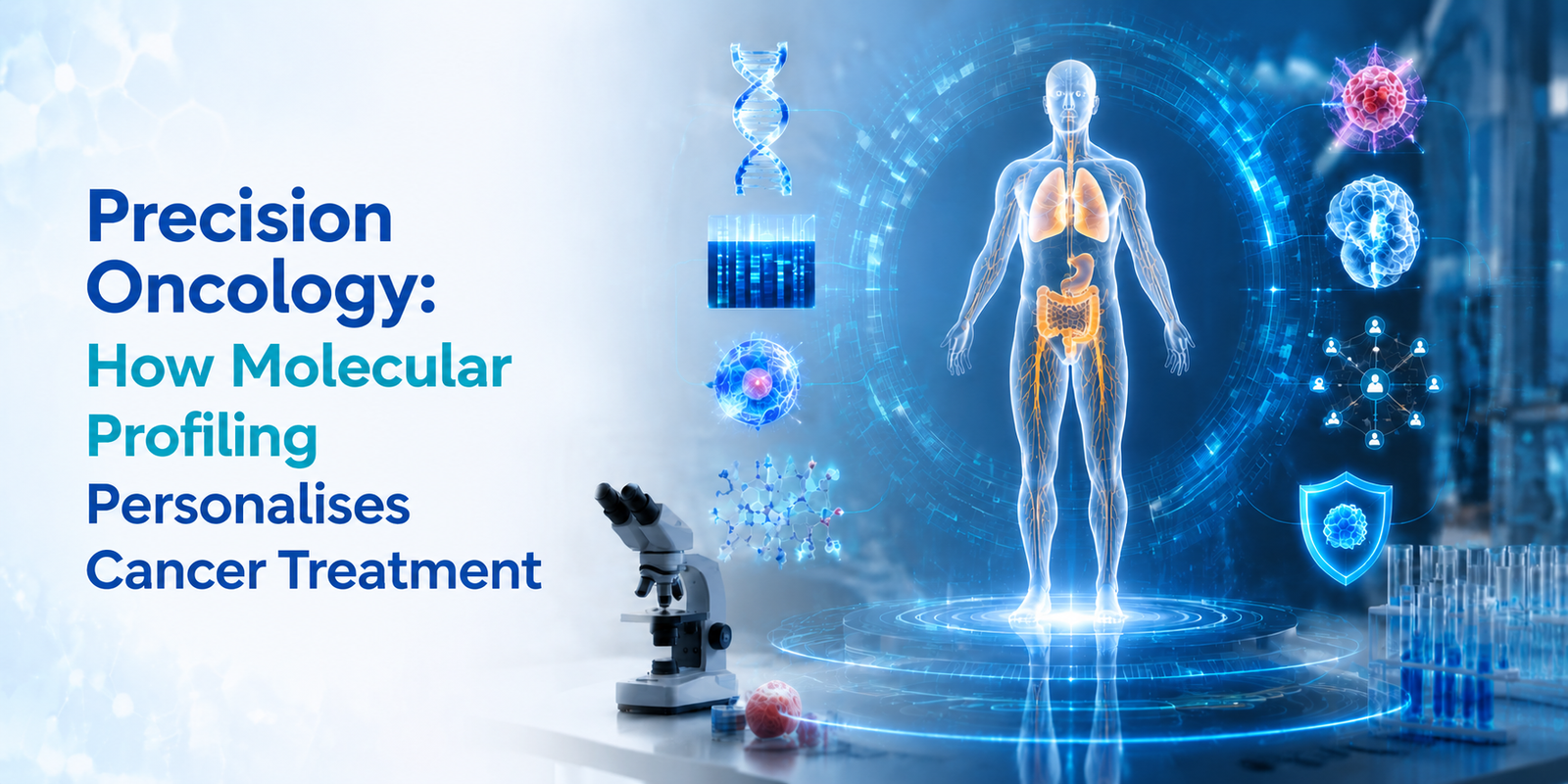
Precision Oncology: How Molecular Profiling Personalises Cancer Treatment – futuristic holographic human body with DNA sequencing, genomic analysis, AI diagnostics, and molecular profiling visualising personalised cancer treatment.

Precision oncology: How molecular profiling personalises cancer treatment

 A guide to genomic testing, biomarkers, tumour boards, and Dr Aditya Sarin’s approach to individualised cancer care.

Summary

Precision oncology uses a tumour's genetic and molecular profile, rather than its location in the body alone, to select treatment. This guide explains molecular profiling, next-generation sequencing, the biomarkers that guide targeted therapy, the role of the multidisciplinary tumour board, and how Dr Aditya Sarin applies this approach at Sir Ganga Ram Hospital.

What is precision oncology?

Precision oncology is an approach to cancer treatment that uses the genetic and molecular characteristics of an individual patient’s tumour to select therapy, rather than applying a standard protocol based solely on cancer type and stage.

Instead of asking only “what kind of cancer is this,” precision oncology asks “what specific mutations and biomarkers are driving this particular tumour, and which treatments target them directly.” The result is a treatment plan built around the patient’s own tumour biology.

This approach has become central to modern oncology because tumours that look identical under a microscope can behave very differently depending on their underlying genetic drivers, and treatments that work well for one genetic profile may do little for another.

What is molecular profiling in cancer treatment?

Molecular profiling is the process of analysing a tumour’s DNA, RNA, and proteins to identify specific genetic mutations, gene fusions, and biomarkers, which then guide treatment selection.

Profiling typically starts with a tissue sample from a biopsy or surgical specimen, though a blood-based liquid biopsy is increasingly used when tissue is limited or degraded. Next-generation sequencing is the most accessible method for describing genomic alterations in cancer patients from both tumour tissue samples and circulating cell-free DNA in blood, as outlined in a clinical review of NGS applications in oncology.

The output of molecular profiling is a report identifying which mutations are present in the tumour and, where evidence exists, which approved or investigational therapies target those specific mutations. The National Cancer Institute’s overview of biomarker testing explains this process in more detail, including how results are used to guide treatment and, in some cases, clinical trial eligibility.

What is next-generation sequencing, and how does it work?

Next-generation sequencing, commonly abbreviated as NGS, is a laboratory technique that reads large numbers of genes simultaneously to detect the mutations driving a specific tumour, rather than testing one gene at a time.

NGS enables detailed genomic profiling of tumours, identifying the genetic alterations that drive cancer progression and facilitating personalised treatment plans targeted to specific mutations. This is a meaningful shift from older single-gene tests, which could only check for one mutation at a time and often missed relevant alterations outside the gene being tested.

NGS-based genomic profiling can identify actionable mutations, such as EGFR, KRAS, and ALK, as well as immunotherapy biomarkers such as PD-L1, tumour mutational burden, and microsatellite instability, thereby guiding personalised treatment selection, according to a review of NGS’s transformative impact on cancer care.

Tissue samples are not always sufficient for this kind of testing. Biopsy material can be too limited or too degraded for a complete analysis, which is why liquid biopsy, a blood test that detects tumour DNA circulating in the bloodstream, has become an important complementary option, particularly for monitoring how a tumour changes over the course of treatment.

What are cancer biomarkers, and which ones matter most?

A biomarker is a measurable molecular feature of a tumour that indicates how the cancer is likely to behave or which treatments are likely to work against it. Biomarker testing has become a standard part of the diagnostic workup for several major cancer types.

Biomarker

What it indicates

Associated treatment approach

EGFR mutation

Growth signal specific to certain lung cancers

Targeted EGFR inhibitor therapy

ALK fusion

A gene rearrangement driving tumour growth

Targeted ALK inhibitor therapy

PD-L1 expression

Likelihood of response to immune checkpoint therapy

Immunotherapy

Microsatellite instability or mismatch repair status

DNA repair deficiency associated with certain tumours

Immunotherapy eligibility

HER2 expression

Growth signal seen in some breast, gastric, and lung cancers

HER2-targeted therapy

KRAS mutation

A common driver mutation across several cancer types

Targeted therapy where an approved inhibitor exists

National Comprehensive Cancer Network guidelines describe biomarker testing, including PD-L1 testing by immunohistochemistry, as part of the standard molecular diagnostic workup for lung cancer, and testing recommendations continue to expand as new targeted therapies are approved. Not every biomarker applies to every cancer type, which is why the specific panel tested depends on the tumour being investigated. Our guide on types of cancer specialists in Delhi explains which oncologist typically orders this kind of testing.

How does a multidisciplinary tumour board fit into precision oncology?

A multidisciplinary tumour board is a regular meeting where medical oncologists, surgical oncologists, radiation oncologists, radiologists, and pathologists review a patient’s case together and agree on a treatment plan, rather than one doctor deciding in isolation.

This matters directly for precision oncology, because interpreting a molecular profiling report and translating it into a treatment plan often requires input from multiple specialities at once. A mutation with a targeted therapy option may still require a surgical or radiation opinion on timing and sequencing.

A matched-pair analysis of patients across 66 tumour types found that patients with three or more multidisciplinary tumour board meetings in their history had significantly better overall survival than those with no tumour board meetings. Similarly, a retrospective cohort study of stage III non-small cell lung cancer found that patients whose cases were discussed at a multidisciplinary tumour board had significantly improved overall survival at 1, 3, and 5 years.

The tumour board is not a formality. It is a structural safeguard that ensures a complex, genomically informed treatment plan is checked from every relevant angle before it begins.

How does precision oncology differ from standard treatment?

Factor

Standard, protocol-based treatment

Precision oncology

Starting point

Cancer type and stage

Cancer type, stage, and tumour genetic profile

Treatment selection

Fixed protocol for the cancer type

Matched to specific mutations and biomarkers present

Testing required

Standard imaging and pathology

Imaging, pathology, and molecular or genomic profiling

Suitability

Broadly applicable

Depends on tumour type and availability of a matched therapy

Precision oncology does not replace chemotherapy, surgery, or radiation. In many cases, it works alongside these standard treatments, using molecular data to determine which systemic therapy is most likely to be effective, in what sequence, and whether a targeted drug or immunotherapy should be added to or substituted for a standard regimen.

What does Dr Aditya Sarin’s precision oncology approach involve?

Dr Aditya Sarin is a Consultant Medical Oncologist at Sir Gangaram Hospital, New Delhi, holding a DrNB in Medical Oncology and an MD in General Medicine, and is ESMO board-certified with specialised training from Harvard Medical School in immuno-oncology and precision oncology.

His clinical approach follows three principles.

  1. Genomic and molecular testing before selecting a treatment protocol, rather than defaulting to a standard regimen for the cancer type.
  2. Personalised therapy planning built around the specific mutations and biomarkers identified in each patient’s tumour.
  3. Avoiding treatments that the tumour’s molecular profile suggests are unlikely to be effective for that individual case.

This approach is applied within a multidisciplinary tumour board framework, with a particular focus on breast, lung, gastrointestinal, and head and neck cancers, for which actionable biomarkers are now well established in clinical guidelines. If you are still deciding on a specialist, our guide to choosing the right oncologist in Delhi covers what to look for, including how to evaluate a doctor’s approach to genomic testing.

What are the limitations of precision oncology?

Precision oncology is a significant advance, but it is not a universal solution, and an honest picture of its limits matters as much as its benefits.

Only a few cancer sites actually benefit from comprehensive genomic assessment, and the association between a specific mutation and a targeted drug is not always as strong in practice as it appeared in early trials. Not every tumour carries a mutation with an approved matched therapy, and testing sometimes identifies variants of uncertain significance, meaning changes in the DNA whose impact on treatment is not yet clear.

Access is a practical limitation too. Comprehensive genomic profiling requires adequate tissue or blood sample quality, laboratory infrastructure, and specialist interpretation, all of which affect turnaround time and cost. Patients should discuss directly with their oncologist whether molecular testing is likely to change their treatment plan before proceeding, since not every case will benefit equally.

Who is a candidate for precision oncology?

Patients most likely to benefit from molecular profiling include those with advanced or metastatic cancers where standard treatment options are limited, cancer types with well-established biomarkers such as lung, breast, and colorectal cancer, and cases where initial treatment has stopped working and a new approach is needed.

Not every newly diagnosed, early-stage cancer requires genomic profiling, since standard treatment already offers strong outcomes for many of these cases. Your oncologist is best placed to determine whether molecular testing is likely to meaningfully change your treatment plan. Our guide on choosing a cancer treatment hospital in India also covers what to check for in terms of a hospital’s genomic testing and tumour board infrastructure.

The takeaway

Precision oncology represents a shift from treating cancer by location alone to treating it by biology. Molecular profiling, next-generation sequencing, and biomarker testing give oncologists a much more detailed picture of what is actually driving an individual tumour, and a multidisciplinary tumour board ensures that picture is translated into a coordinated treatment plan.

Dr Aditya Sarin at Sir Ganga Ram Hospital, New Delhi, applies genomic testing, personalised therapy planning, and multidisciplinary review as the foundation of his practice. You can book a consultation with Dr Aditya Sarin to discuss whether precision oncology applies to your case.

Frequently Asked Questions

Is precision oncology the same as personalised medicine?

Precision oncology is a specific application of the broader personalised medicine approach, focused on using a tumour's genetic and molecular profile to guide cancer treatment decisions.

Does precision oncology work for all cancer types?

No. Only some cancer types currently have well-established, actionable biomarkers with approved matched therapies, though the number of applicable cancers continues to grow as research advances.

What is the difference between a biopsy-based test and a liquid biopsy?

A biopsy-based test analyses tissue taken directly from the tumour, while a liquid biopsy analyses tumour DNA circulating in a blood sample, which is useful when tissue is limited or when tracking changes in the tumour over time.

How long does molecular profiling take?

Turnaround time varies by laboratory and test panel, generally ranging from one to a few weeks. Your oncologist can provide a specific estimate based on the test ordered.

Does insurance cover genomic testing for cancer?

Coverage varies by insurer, policy, and test type. Patients should confirm coverage directly with their insurance provider and hospital billing department before testing.

Why does my case need to go through a tumour board if I already have a treatment plan?

A tumour board reviews the case across specialities to confirm the plan accounts for surgical, radiation, and systemic treatment considerations together, which research links to improved outcomes compared with a single-specialist decision.

Dr. Aditya Sarin — Medical Oncologist, Sir Ganga Ram Hospital, Delhi
Medically reviewed & written by

Dr. Aditya Sarin

Consultant, Medical Oncology · Sir Ganga Ram Hospital, New Delhi

MD (General Medicine) · DrNB (Medical Oncology) · ESMO (European) Board Certified

Dr. Aditya Sarin is a medical oncologist who combines precision molecular profiling with evidence-based, compassionate cancer care. Named Young Medical Oncologist of the Year, he treats the full spectrum of solid and blood cancers through a multidisciplinary tumor-board approach at Sir Ganga Ram Hospital.

Breast Cancer Lung Cancer GI Cancers Head & Neck Gynecologic Cancers Immunotherapy Targeted Therapy Precision / Molecular Oncology Leukemia · Lymphoma · Myeloma

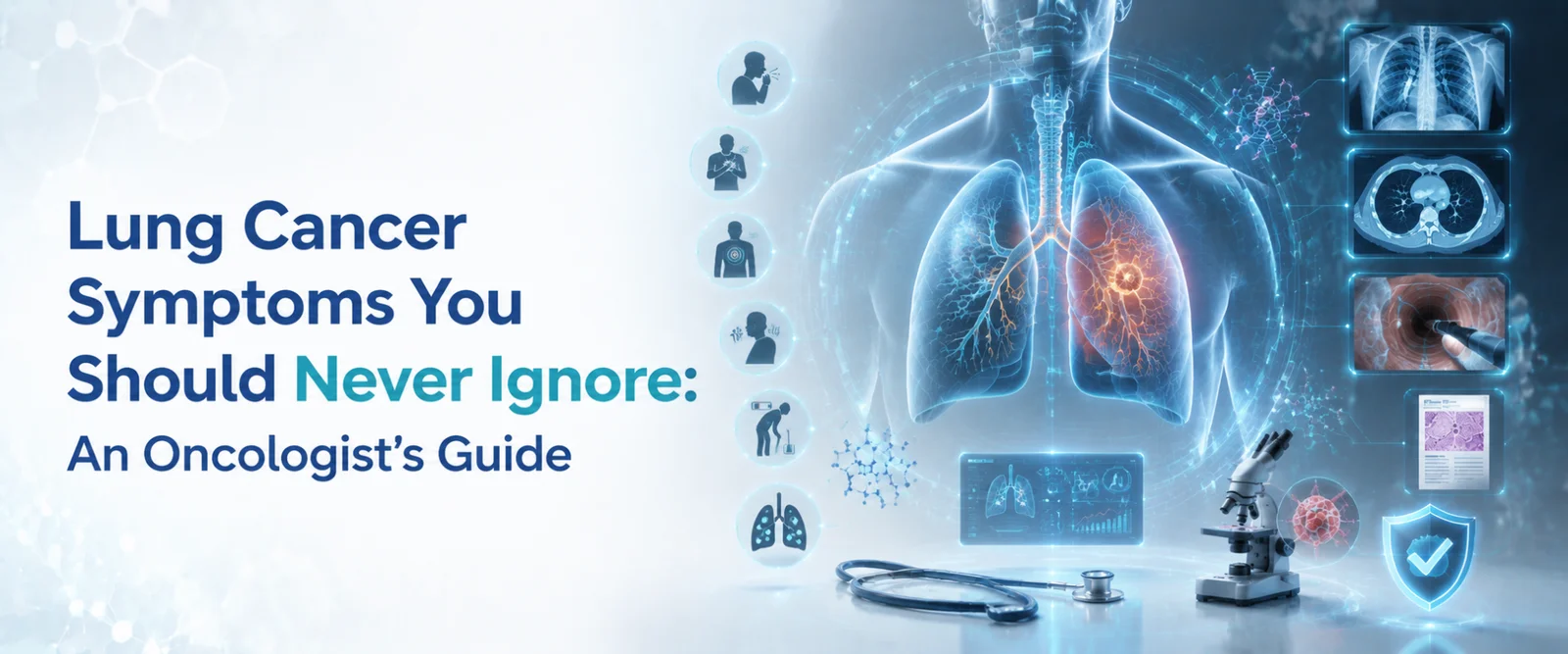
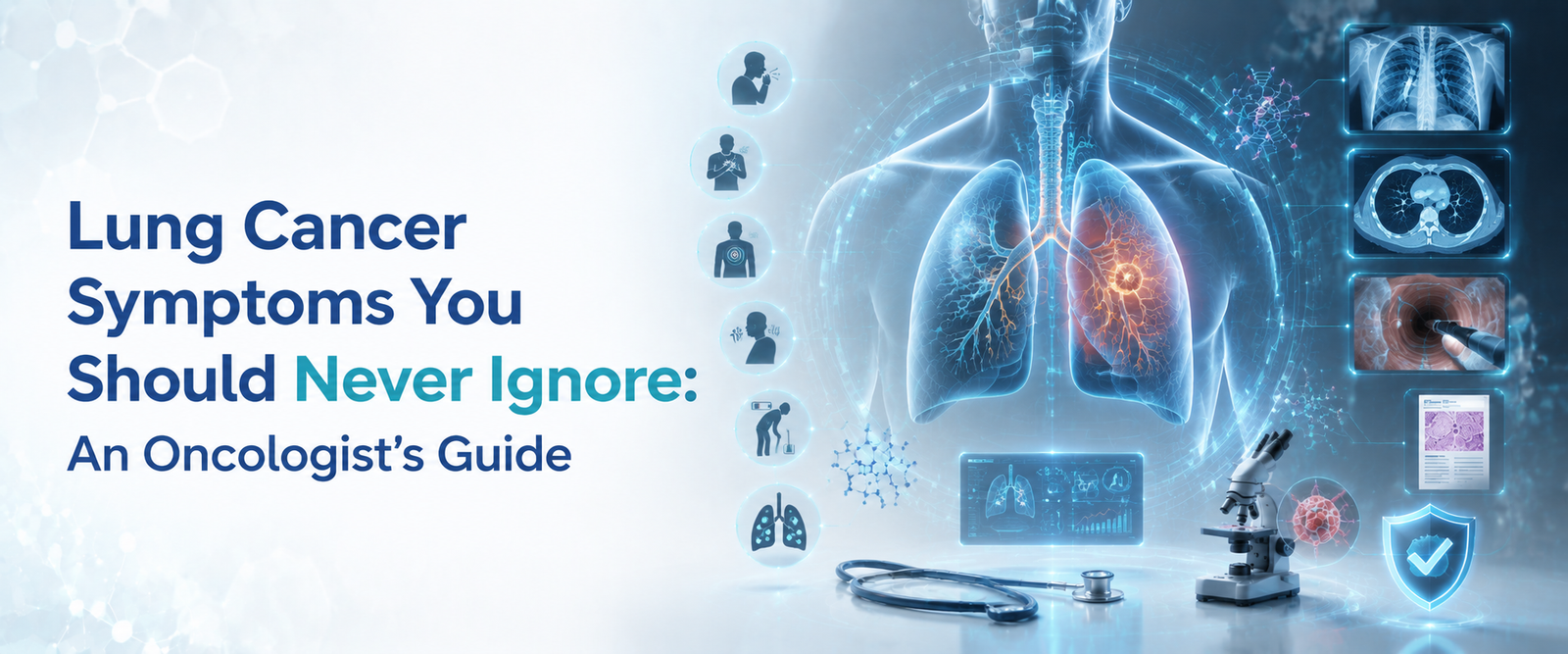
Lung Cancer Symptoms You Should Never Ignore: An Oncologist’s Guide 

Lung Cancer Symptoms You Should Never Ignore: An Oncologist's Guide – premium medical illustration showing holographic lungs with advanced diagnostic imaging, AI-assisted analysis, CT scan, biopsy, and early lung cancer detection in a modern healthcare setting.

Summary

Lung cancer in India is not just a smoker's disease; a rising share of patients, particularly women and younger adults, have never smoked, and most are still diagnosed only after the disease has spread. This guide explains the early symptoms that get mistaken for routine respiratory illness, who is genuinely at risk, how lung cancer is staged and diagnosed, and when a symptom warrants a doctor's opinion rather than another round of home remedies. It is written to help you act on time, not to alarm you.

This content is for informational purposes only and does not constitute medical advice. Symptoms described here have many possible causes, most of them non-cancerous. Always consult a qualified doctor for diagnosis and treatment decisions.

Most people associate lung cancer with a single image: a lifelong smoker, an X-ray, a grim conversation. The reality in Indian clinics today looks different. A growing share of patients have never smoked a cigarette in their life; many are in their 40s rather than their 60s, and most are told the same thing: the disease was already advanced by the time it was found.

This guide is about the symptoms that get explained away. A cough blamed on pollution. Breathlessness blamed on age. Chest discomfort blamed on muscle strain. Lung cancer is treatable, and increasingly so, when it is caught while it is still confined to the lung. The problem has never really been the biology. It has been the delay.

Why lung cancer in India looks different now

Lung cancer is the most common cancer among Indian men and a growing one among Indian women, with incidence projected to keep climbing through this decade. What has changed is who gets it. Indian studies have found that a substantial proportion of patients diagnosed with non-small cell lung cancer have no smoking history at all, and the trend is most visible in younger patients and women, where air pollution, occupational exposure, and genetic factors are believed to play a larger role than tobacco.

This matters because it changes who should pay attention to symptoms. The instinct to dismiss a cough as “I don’t smoke, so it can’t be that” is exactly the instinct that delays diagnosis.

The harder fact is this: a large majority of Indian lung cancer patients are diagnosed at stage 3 or 4, when the cancer has already spread within the chest or to other organs. At that stage, treatment is still possible and often effective, but the goals of care and the range of options change considerably compared to disease caught early. 

You can read more about how the disease is treated at different stages on the lung cancer page. This is the gap this guide is meant to close. 

What are the early symptoms of lung cancer?

The early symptoms of lung cancer include a cough that does not go away, breathlessness on exertion, chest discomfort, recurring chest infections, unexplained fatigue, and a hoarse voice. None of these is unique to cancer, which is precisely why they are so often missed.

The symptoms worth tracking:

  • A cough lasting more than three weeks, or a long-standing cough that changes in character.
  • Coughing up blood or blood-streaked mucus, even a small amount.
  • Breathlessness that is new, or that occurs with less exertion than before.
  • Chest pain that is dull, persistent, or worsens with coughing or deep breathing.
  • Repeated chest infections or pneumonia in the same area of the lung.
  • A hoarse voice lasting more than a few weeks.
  • Unexplained loss of appetite or weight loss.
  • Fatigue that does not improve with rest.

A cough is the single most common first symptom, but it is also the most commonly dismissed, particularly in cities with poor air quality where a “smoker’s cough” or “Delhi cough” has become an accepted part of daily life. The detail that should change that thinking is that a cough caused by pollution or infection settles. A cough caused by a tumour tends to persist, often quietly worsening over weeks.

How is lung cancer different from a regular respiratory illness?

The difference lies in duration, response to treatment, and pattern. A chest infection responds to antibiotics within one to two weeks. A symptom caused by lung cancer typically does not resolve, may return in the same location, and tends to be accompanied by symptoms outside the chest, such as weight loss or fatigue.

Everyday respiratory symptom

Possible warning sign

Cough during a viral infection, clears in 1–2 weeks

Cough lasting beyond 3 weeks, or one that changes character

Breathlessness after intense exertion

Breathlessness with ordinary activity that is new for you

Chest tightness during a cold

Chest pain or discomfort that persists between illnesses

Voice strain after shouting or a cold

Hoarseness lasting several weeks with no clear cause

Pneumonia that clears fully with antibiotics

Pneumonia or chest infection that recurs in the same spot

If a respiratory symptom is not responding the way a routine infection should, that mismatch is the signal to seek further evaluation rather than a stronger course of the same treatment. 

Lung cancer is the leading cause of cancer-related deaths worldwide, and the World Health Organization notes that it is often diagnosed at advanced stages when treatment options are limited, which is exactly the gap early symptom recognition is meant to close.

Who is at higher risk of lung cancer in India?

Risk is higher in current and former smokers, those exposed to second-hand smoke, people with long-term occupational exposure to asbestos, silica, or industrial fumes, and increasingly, anyone with sustained exposure to high air pollution levels. A family history of lung cancer also raises risk independent of smoking status.

Tobacco remains the single largest risk factor, and this includes bidis and smokeless tobacco, not cigarettes alone. But the profile of an at-risk patient in India has widened:

  • Smokers and former smokers, including bidi users, who carry the highest individual risk.
  • Non-smokers with significant indoor or outdoor air pollution exposure, a factor increasingly implicated in lung cancers among women and younger adults in Indian cities.
  • People with occupational exposure to asbestos, diesel exhaust, silica dust, or certain industrial chemicals.
  • People with a first-degree relative who had lung cancer.
  • Those with pre-existing lung disease, such as chronic obstructive pulmonary disease (COPD) or pulmonary fibrosis.

A useful shift in thinking: smoking history should lower your threshold for getting a symptom checked, but a non-smoking history should never be a reason to ignore one.

What are the stages of lung cancer, and why does staging matter?

Lung cancer is staged from I to IV based on tumour size, lymph node involvement, and whether it has spread to other organs. Stages I and II generally describe disease confined to the lung and are often treatable with surgery. Stage III usually involves spread to nearby lymph nodes. Stage IV means the cancer has spread to distant organs such as the liver, bones, or brain.

Stage

What it generally means

Typical approach

I

Small tumour, confined to the lung

Often surgically removable

II

Larger tumour or limited nearby lymph node involvement

Surgery, often combined with other treatment

III

Spread to lymph nodes within the chest

Combination of chemotherapy, radiation, sometimes surgery

IV

Spread to distant organs

Systemic treatment: chemotherapy, targeted therapy, or immunotherapy based on tumour profile

Staging is not just a label; it is what determines whether surgery is even on the table. This is the central reason early symptom recognition matters so much: the difference between stage I and stage III is very often the difference between a curative surgery and a long-term systemic treatment plan.

How is lung cancer diagnosed?

Diagnosis usually begins with a chest X-ray or CT scan when symptoms raise suspicion, followed by a biopsy to confirm cancer and identify its type. Further tests, including PET scans and molecular profiling of the tumour, help determine the stage and guide treatment selection. 

You can read more about this process on the cancer diagnostics page. 

A typical pathway looks like this:

  1. Imaging: A chest X-ray is often the first step, but a CT scan gives far more detail and is usually needed if symptoms persist
  2. Biopsy: A  tissue sample, usually obtained via bronchoscopy or a needle biopsy, confirms whether a suspicious finding is cancer and what type
  3. Staging scans: PET-CT and sometimes MRI of the brain to check whether the cancer has spread
  4. Molecular and genetic testing: Testing the tumour for mutations such as EGFR, ALK, and ROS1, which is particularly relevant in Indian patients, since non-smoking lung cancers here show a meaningfully higher rate of these targetable mutations

This last step has changed lung cancer treatment considerably. A tumour with an identifiable driver mutation can often be treated with targeted therapy instead of or alongside chemotherapy, with a different side-effect profile and, in many cases, better disease control. 

Tumours without a targetable mutation may instead be candidates for immunotherapy, depending on the tumour’s biomarker profile. 

Does low-dose CT screening make sense for you?

Low-dose CT screening is recommended internationally for long-term heavy smokers in a defined age range, and it has been shown to reduce lung cancer deaths in this group by catching disease earlier. Its role in lifelong non-smokers in India is still being studied and is not currently a standard recommendation, even though non-smoker lung cancer is rising here.

This is a conversation worth having directly with an oncologist if you have a heavy smoking history, a strong family history, or significant occupational exposure, rather than deciding for yourself whether you qualify.

When should you see a doctor?

You should see a doctor if a respiratory symptom lasts beyond three weeks, if you cough up any blood, if breathlessness is new or worsening, or if a chest infection keeps returning in the same location. You do not need to wait for pain, which is often a late symptom rather than an early one.

  • Cough lasting more than 3 weeks: Get a chest X-ray or CT evaluated by a doctor
  • Any amount of blood in cough or sputum: See a doctor promptly; do not wait
  • New or worsening breathlessness: Get evaluated, especially if there’s no clear cause
  • Chest infection that returns in the same spot: Ask specifically about imaging beyond an X-ray
  • Long-term smoker or strong family history: Lower your threshold for any persistent symptom

The takeaway

Lung cancer’s reputation as a smoker’s disease has quietly stopped matching the patients walking into Indian clinics. The symptoms are familiar and easy to explain away: a cough, some breathlessness, a tired stretch of weeks. What separates a routine illness from a warning sign is rarely intensity. It is duration and pattern.

If a respiratory symptom has outlasted three weeks, or doesn’t behave the way you’d expect an infection to, that is reason enough for an opinion, not a diagnosis to fear.

To discuss persistent respiratory symptoms or seek a specialist’s opinion, you can book a consultation with Dr Aditya Sarin at Sir Ganga Ram Hospital in New Delhi.

Frequently Asked Questions

Can a non-smoker get lung cancer?

Yes. A meaningful and growing share of lung cancer patients in India have never smoked, particularly women and younger adults, with air pollution and genetic factors playing a larger role in this group.

Is a persistent cough always a sign of lung cancer?

No. Most persistent coughs are caused by allergies, post-viral irritation, acid reflux, or chronic bronchitis. But a cough lasting more than three weeks, especially one that is new or changing, should be evaluated rather than assumed.

Does lung cancer cause pain in the early stages?

Usually not. Chest pain tends to appear later, once a tumour is larger or has affected nearby structures. This is part of why early lung cancer is so often missed; there is frequently nothing that hurts.

What is the difference between a chest X-ray and a CT scan for lung symptoms?

A chest X-ray can miss small or early tumours. A CT scan provides far greater detail and is usually the next step if symptoms persist despite a normal X-ray or initial treatment.

Can lung cancer be cured if caught early?

Early-stage lung cancer, confined to the lung, is often treatable with surgery and carries a meaningfully better outlook than disease diagnosed after it has spread. This is the central reason early evaluation matters.

Dr. Aditya Sarin — Medical Oncologist, Sir Ganga Ram Hospital, Delhi
Medically reviewed & written by

Dr. Aditya Sarin

Consultant, Medical Oncology · Sir Ganga Ram Hospital, New Delhi

MD (General Medicine) · DrNB (Medical Oncology) · ESMO (European) Board Certified

Dr. Aditya Sarin is a medical oncologist who combines precision molecular profiling with evidence-based, compassionate cancer care. Named Young Medical Oncologist of the Year, he treats the full spectrum of solid and blood cancers through a multidisciplinary tumor-board approach at Sir Ganga Ram Hospital.

Breast Cancer Lung Cancer GI Cancers Head & Neck Gynecologic Cancers Immunotherapy Targeted Therapy Precision / Molecular Oncology Leukemia · Lymphoma · Myeloma

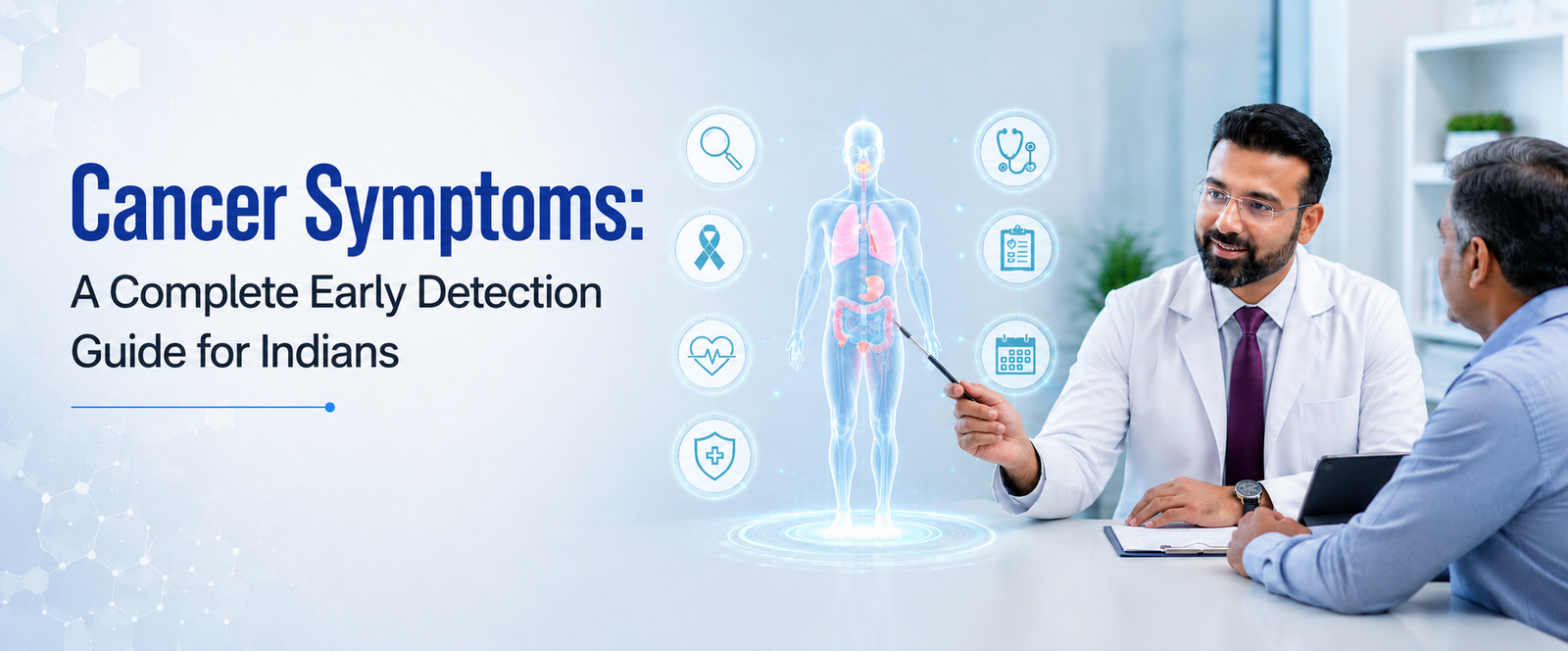
Cancer Symptoms: A Complete Early Detection Guide for Indians 

Most cancers are far more treatable when caught early, yet a large share of Indian patients are still diagnosed at advanced stages. This guide explains the warning signs to watch for, how symptoms can differ between men and women, and when a symptom moves from something to monitor to a reason to see an oncologist. It is written to help you act on time, not to alarm you.

This content is for informational purposes only and does not constitute medical advice. Symptoms described here have many possible causes, most of them non-cancerous. Always consult a qualified doctor for diagnosis and treatment decisions.

Cancer rarely announces itself. It usually whispers, through a lump that was not there last month, a cough that outstays a season, or a tiredness that sleep does not fix. The tragedy in Indian oncology is not that these signals are rare. It is that they are so often ignored until they are loud.

Cancer is no longer uncommon in India. The country sees well over 1.5 million new cases a year, and the number keeps climbing. But the figure that should worry us more is not how many, but how late.

A population-based study from the Trivandrum cancer registry found that among patients diagnosed between 2012 and 2014, a striking share had already reached an advanced stage by the time the cancer was caught: more than a third of breast cancers, close to two in five cervical cancers, two-thirds of oral cavity cancers, and nearly nine in ten lung cancers. 

Caught earlier, many of these would have carried a very different prognosis. 

I have spent my clinical years at Sir Ganga Ram Hospital sitting across from patients who say the same sentence in different words: “I thought it would go away.” Sometimes it does. Often, the more useful instinct is to check. This guide is built around that instinct.

What are the most common early warning signs of cancer?

The most common early warning signs of cancer are an unexplained lump, unintentional weight loss, persistent fatigue, a sore that does not heal, unusual bleeding, and a lasting change in a normal body function.

None of these means cancer on its own. A mouth ulcer is usually just an ulcer. A cough is usually just a cough. What changes the meaning is persistence and pattern. The signs worth noting:

  • A new lump or thickening anywhere on the body.
  • Unexplained weight loss of several kilograms.
  • Fatigue that deepens over weeks and is not relieved by rest.
  • A sore, ulcer, or patch that does not heal in three weeks.
  • Unusual bleeding from any site.
  • A change in bowel habits, swallowing, or voice that persists.

The single most useful rule I give patients is this: a symptom with no obvious cause that does not resolve within two to three weeks deserves a medical opinion. Early-stage cancer is frequently painless, and waiting for pain is one of the most common reasons the disease is caught late.

How can you tell an everyday symptom from a warning sign?

The difference lies in three things: how long the symptom lasts, whether it is worsening, and whether there is a clear reason for it. Ordinary illnesses follow a predictable arc and then fade. Warning signs persist, progress, or appear without explanation.

Everyday symptom Possible warning sign
Tiredness after a busy week Fatigue deepening over weeks, unrelieved by rest
Weight loss after starting exercise Losing several kilograms without trying
A cough during a seasonal infection A cough lasting more than three weeks
An ulcer that heals in a week A sore or patch that does not heal
A bruise after a knock Bleeding or bruising with no clear cause

A practical way to think about it is the difference between a symptom and a change. Most people can live with a symptom. A change in how your body normally works, sustained over time, is what merits attention.

What are the warning signs of cancer in women?

The warning signs in women include a lump in the breast or underarm, changes in breast shape or skin, bleeding after menopause or between periods, persistent bloating, and pelvic pain.

Breast and cervical cancers are among the most common cancers affecting Indian women, and both have a meaningful early-detection window.

  • A new breast lump is the symptom most women notice, but skin dimpling, nipple changes, and persistent breast pain matter too. Learn more on the breast cancer page.
  • Bleeding after menopause is never normal and should always be evaluated.
  • Persistent bloating, fullness, or pelvic discomfort lasting several weeks can signal ovarian cancer, which is often found late because its symptoms are quiet.
  • Bleeding between periods or after intercourse warrants checking for cervical cancer, a cancer that is both screenable and, increasingly, preventable.

What are the warning signs of cancer in men?

The warning signs in men include a persistent cough or voice change, difficulty swallowing, a non-healing mouth ulcer or white patch, changes in urinary habits, and blood in the urine or stool.

Tobacco-related cancers carry a heavy burden among Indian men, with the mouth, throat, and lung most affected.

  • A white or red patch inside the mouth, a neck lump, or a lasting voice change in someone who uses tobacco or alcohol should never be dismissed.
  • Blood in the stool is often blamed on piles, and blood in the urine on infection. Sometimes that is correct, but when these signs persist or recur, they should be evaluated rather than self-diagnosed.

Why are so many cancers detected late in India?

Cancers are detected late in India largely because early symptoms are mild, screening uptake is low, and patients often delay care until the disease interferes with daily life. The delay is rarely about access alone. It is frequently about interpretation.

Many early cancers are painless, and pain is the trigger most people wait for. By the time a tumour causes discomfort, it has often grown or spread. The habit of treating persistent symptoms with home remedies stretches weeks into months.

The World Health Organization notes that cancer identified early is more likely to respond to treatment, offering a higher probability of survival with less morbidity and less expensive care. Early detection is not only a survival advantage. It is often the difference between a simpler treatment and a harder one.

When should you see an oncologist?

You should see an oncologist when a symptom is persistent, unexplained, and progressive, when you have a strong family history of cancer, or when a test such as a scan or biopsy raises a concern. You do not need a confirmed diagnosis to seek an opinion.

A simple guide on when to act:

Situation Suggested action
Unexplained symptom lasting over 2 to 3 weeks Get a medical assessment
First-degree relative with cancer Lower your threshold to seek advice
Long history of tobacco or alcohol use Evaluate any persistent symptom early
A diagnosis you want clarified Seek a second opinion

Seeking specialist input early costs you a consultation. Seeking it late can cost you options.

Which tests help detect cancer early?

The tests that help detect cancer early depend on the suspected site, but commonly include clinical examination, imaging, endoscopy, blood markers, and a tissue biopsy for confirmation. No single test detects all cancers, which is why symptom evaluation guides which test is appropriate.

It helps to separate two ideas:

  • Screening looks for cancer in people without symptoms, such as mammography for breast cancer or Pap and HPV testing for cervical cancer.
  • Diagnostic testing is triggered by a symptom or finding and aims to provide a definitive answer.

Both have their place, and a specialist decides which applies to you. Molecular and genetic profiling has further sharpened early diagnosis, allowing treatment to be matched to a tumour’s specific drivers rather than applied uniformly. 

You can learn more on the cancer diagnostics page.

The takeaway

Early detection is the most powerful tool patients hold, and it does not require a hospital or a machine. It requires attention. Knowing your body’s normal, noticing when something changes, and acting on persistence rather than waiting for pain is what turns a frightening diagnosis into a treatable one.

If you have a lingering symptom, a report you want interpreted, or a family history that worries you, the next right step is a conversation, not a delay.

To discuss your symptoms or seek a specialist’s opinion, you can book a consultation with Dr Aditya Sarin at Sir Ganga Ram Hospital in New Delhi.

Frequently Asked Questions

Does a lump always mean cancer?

No. Most lumps are benign, including cysts, fibroadenomas, and swollen lymph nodes from infection. However, any new lump that persists beyond two to three weeks, grows, or feels hard and fixed should be examined to rule out malignancy.

Can you have cancer without any symptoms?

Yes. Many early cancers cause no symptoms at all, which is why screening exists for cancers such as breast and cervical cancer. Symptom awareness and age-appropriate screening work together; neither replaces the other.

How long should I wait before seeing a doctor for a persistent symptom?

A common clinical guideline is 2 to 3 weeks. Any unexplained symptom that has not resolved or has worsened within that window deserves a medical opinion, and sooner if you have risk factors.

Is cancer hereditary?

A minority of cancers are linked to inherited gene changes, but most are not. A strong family history of certain cancers can raise your risk and may justify earlier or more frequent screening.

Does early detection actually improve survival?

For most cancers, yes. Earlier-stage disease is generally more treatable, often requires less aggressive treatment, and carries a better prognosis than the same cancer found late.

Ready to Schedule a Consultation?

Contact Dr. Aditya Sarin at Sir Ganga Ram Hospital to discuss your cancer care options. With expertise in precision oncology and comprehensive cancer treatment, Dr. Sarin and his team provide personalized, compassionate care using the latest advances in oncology.

Contact Information:

Dr. Aditya Sarin — Medical Oncologist, Sir Ganga Ram Hospital, Delhi
Medically reviewed & written by

Dr. Aditya Sarin

Consultant, Medical Oncology · Sir Ganga Ram Hospital, New Delhi

MD (General Medicine) · DrNB (Medical Oncology) · ESMO (European) Board Certified

Dr. Aditya Sarin is a medical oncologist who combines precision molecular profiling with evidence-based, compassionate cancer care. Named Young Medical Oncologist of the Year, he treats the full spectrum of solid and blood cancers through a multidisciplinary tumor-board approach at Sir Ganga Ram Hospital.

Breast Cancer Lung Cancer GI Cancers Head & Neck Gynecologic Cancers Immunotherapy Targeted Therapy Precision / Molecular Oncology Leukemia · Lymphoma · Myeloma

Best cancer specialist in Delhi: How to choose the right oncologist 

Best Cancer Specialist in Delhi: How to Choose the Right Oncologist – premium healthcare banner featuring a modern oncology hospital corridor with glass-walled consultation rooms, a PET-CT scanner, molecular pathology laboratory, AI-powered diagnostic displays, elegant DNA-inspired architectural elements, and a bright, world-class cancer care environment.

Best cancer treatment hospitals in India: A patient's guide

A hospital-by-hospital comparison to help you choose the right centre for your treatment

Summary

India has built a strong reputation for advanced cancer care, with hospitals offering the same technology and treatment protocols used at leading centres worldwide. The challenge for most patients is not a lack of options but too many options without a clear way to compare them. This guide compares India's leading cancer centres, breaks down government versus private care, and walks through a step-by-step process for choosing the right hospital for your specific case.

Best cancer treatment hospitals in India: A patient’s guide A hospital-by-hospital comparison to help you choose the right centre for your treatment

Why does hospital choice matter?

The same oncologist can produce different outcomes depending on the hospital they work at. A hospital shapes the technology available for your treatment, the quality of the multidisciplinary team, access to clinical trials, the range of support services on offer, and the standard of post-treatment care.

Choosing a hospital is not a secondary decision. It is as important as choosing your oncologist.

Which are the top cancer hospitals in India?

Hospital

Location

Best for

Tata Memorial Hospital

Mumbai

Budget-conscious patients, rare cancers, and complex cases needing high-volume expertise

AIIMS

New Delhi

Patients wanting top academic credentials at government pricing

Rajiv Gandhi Cancer Institute

New Delhi

Patients wanting a dedicated, cancer-only facility in Delhi NCR

Sir Ganga Ram Hospital

New Delhi

Patients wanting a personalised, precision-medicine approach in Delhi

BLK-Max Super Speciality Hospital

New Delhi

Patients wanting a large private hospital with broad oncology specialisation

Apollo Cancer Centres

Chennai, Hyderabad, Delhi, Kolkata, Mumbai

Patients outside metro cities and international patients needing consistent quality

Fortis Memorial Research Institute

Gurugram

NCR patients wanting premium private care close to Delhi

Kidwai Memorial Institute

Bengaluru

South India patients wanting government pricing with high case volume

Adyar Cancer Institute

Chennai

Head and neck cancers, and patients based in Tamil Nadu

HCG Cancer Centre

25-plus centres across India

Patients in non-metro cities wanting quality cancer care locally

Tata Memorial Hospital is India’s oldest and most recognised cancer centre, run under the Department of Atomic Energy, and carries the largest cancer caseload in Asia. It treats all cancer types at heavily subsidised cost and runs an active research and clinical trials programme, alongside a dedicated paediatric oncology unit. The trade-off is heavy crowding and long wait times.

AIIMS New Delhi is a premier government institute with top academic faculty and cutting-edge research, offering the full range of treatments, including precision oncology, at rates well below private hospitals. Patient load and appointment wait times are correspondingly high.

Rajiv Gandhi Cancer Institute is Delhi’s largest dedicated cancer hospital, privately run and focused exclusively on oncology, with advanced radiation technology, a bone marrow transplant unit, and strong breast and gastrointestinal cancer programmes.

Sir Ganga Ram Hospital is a reputed multi-speciality hospital with a strong, NABH-accredited oncology department, offering precision oncology, genetic testing, immunotherapy, and targeted therapy through a multidisciplinary tumour board. It is home to specialists such as Dr Aditya Sarin, who focuses on precision oncology and personalised molecular profiling.

Government versus private hospitals

Factor

Government (AIIMS, Tata)

Private (Apollo, Fortis, Sir Ganga Ram)

Cost

Low or subsidised

Higher

Wait time

Long

Short

Crowding

High

Manageable

Technology

Good to excellent

Excellent

Personalised attention

Limited

High

Clinical trials

Strong

Moderate

Comfort and facilities

Basic

Premium

As a general rule, government hospitals suit patients prioritising cost, while private hospitals suit patients prioritising speed and personalised attention. At the top tier, clinical quality is broadly comparable between the two.

How do you choose the right hospital?

  1. Match the hospital to your cancer type. Blood cancers need a strong bone marrow transplant unit, head and neck cancers are well served by centres such as Adyar or Tata Memorial, and rare cancers are often best handled at high-volume centres such as Tata Memorial or AIIMS.
  2. Check that the specific treatment you need, such as immunotherapy, targeted therapy, or proton therapy, is actually available at the hospital before deciding.
  3. Check accreditation. NABH, India’s national accreditation standard, or JCI, the international equivalent, signals that a hospital meets a recognised quality benchmark. A non-accredited hospital warrants more caution. You can search accredited hospitals directly on the NABH website.
  4. Check the doctor, not just the hospital. The best hospital paired with the wrong doctor is still a poor fit. Our guide on how to choose the right oncologist covers what to verify, including DNB or DM credentials and experience with your specific cancer type.
  5. Consider distance. Cancer treatment involves multiple visits over months, and a long-distance hospital adds tiredness and cost on top of the treatment itself. Weigh quality against travel reality.
  6. Ask about the tumour board. The best hospitals review each case through a multidisciplinary tumour board, where medical, surgical, and radiation oncologists and a pathologist assess the case together, which tends to produce better treatment decisions.

What questions should you ask the hospital?

  • Is the hospital NABH- or JCI-accredited?
  • Do you have a tumour board for my specific cancer type?
  • What precision oncology or genetic testing is available?
  • How many cases of my cancer type do you treat annually?
  • Are clinical trials available for my condition?
  • What is the estimated treatment cost, and is my insurance accepted?
  • Is a dedicated cancer nurse or patient navigator assigned to my case?

What are red flags to watch for?

  • No accreditation on record.
  • No multidisciplinary team involved in your case.
  • Vagueness about treatment protocols.
  • No transparency on costs.
  • Difficulty accessing your oncologist directly.
  • No second opinion option offered.

Why is a second opinion always smart?

You are not obligated to stay loyal to the first hospital you visit. A second opinion at a different centre can confirm your diagnosis, reveal treatment options you had not considered, and give you added confidence in your plan. Top oncologists welcome second opinions, since it reflects confidence in their own recommendations. You can read more on our second opinion page.

The takeaway

The best hospital is the one that best matches your specific cancer and your specific situation, not necessarily the most famous name on the list.

For Delhi-NCR patients, AIIMS suits budget-conscious patients; Sir Ganga Ram Hospital suits patients wanting a precision, personalised approach; Rajiv Gandhi Cancer Institute suits patients wanting a dedicated cancer-only facility; and BLK-Max or Fortis suit patients wanting broad private care.

For personalised precision oncology in Delhi specifically, Dr Aditya Sarin at Sir Ganga Ram Hospital offers molecular profiling, targeted therapy, and individualised care plans. You can book a consultation with Dr Aditya Sarin to discuss your case directly.

Frequently Asked Questions

Is Tata Memorial Hospital free for cancer treatment?

Treatment is heavily subsidised rather than entirely free, with costs varying by treatment type. Patients should confirm current costs directly with the hospital.

Is a government hospital as good as a private hospital for cancer care?

At the top tier, clinical quality is broadly comparable. The main differences are wait times, crowding, and the level of personalised attention, which tend to favour private hospitals, while cost favours government hospitals.

What does NABH accreditation actually confirm?

NABH accreditation confirms that a hospital meets India's national benchmark for healthcare quality and patient safety, covering areas such as patient care protocols, infection control, and staff training.

Should I choose a hospital based on reputation or on my specific cancer type?

Your specific cancer type should take priority. A hospital with an excellent general reputation may not have the strongest programme for your particular cancer, so matching the hospital's specific expertise to your diagnosis matters more than overall ranking.

Can I get treatment at one hospital after a diagnosis at another?

Yes. Patients regularly move between hospitals for a second opinion or for treatment, and most hospitals can work with reports and biopsy slides from your original diagnosing centre.

Dr. Aditya Sarin — Medical Oncologist, Sir Ganga Ram Hospital, Delhi
Medically reviewed & written by

Dr. Aditya Sarin

Consultant, Medical Oncology · Sir Ganga Ram Hospital, New Delhi

MD (General Medicine) · DrNB (Medical Oncology) · ESMO (European) Board Certified

Dr. Aditya Sarin is a medical oncologist who combines precision molecular profiling with evidence-based, compassionate cancer care. Named Young Medical Oncologist of the Year, he treats the full spectrum of solid and blood cancers through a multidisciplinary tumor-board approach at Sir Ganga Ram Hospital.

Breast Cancer Lung Cancer GI Cancers Head & Neck Gynecologic Cancers Immunotherapy Targeted Therapy Precision / Molecular Oncology Leukemia · Lymphoma · Myeloma

How to Choose the Right Oncologist in Delhi: A Complete Guide to Finding Your Cancer Care Specialist

How to choose the right oncologist in Delhi: a complete guide

A step-by-step guide to qualifications, hospitals, and communication style

Summary

Choosing an oncologist is one of the most important decisions you will make after a cancer diagnosis. Delhi is a major medical hub with numerous specialists and treatment centres, which helps but can also feel overwhelming. This guide walks through the qualifications to check, how much hospital infrastructure matters, and the questions and red flags that help you evaluate the right fit — making that first, critical choice easier.

What does an oncologist do?

An oncologist is a physician who specialises in diagnosing and treating cancer, coordinating your overall care, and working with other specialists to ensure comprehensive treatment. Most patients work primarily with one type.

Oncologist type Primary role
Medical oncologist Treats cancer with chemotherapy, immunotherapy, targeted therapy, and hormone therapy, and usually coordinates overall care
Radiation oncologist Treats cancer with radiation therapy, using high-energy rays to destroy cancer cells
Surgical oncologist Performs surgery to remove tumours and surrounding tissue

This guide focuses primarily on choosing a medical oncologist, though many of the same principles apply to any cancer specialist.

What qualifications should you look for?

When searching for the best cancer specialist in Delhi, look beyond qualifications alone and consider their experience with your specific cancer type, areas of expertise, and access to appropriate treatment facilities. Start with educational credentials and board certifications. A qualified oncologist should hold an MBBS degree from a recognised medical college, an MD in general or internal medicine, and a DM or DNB in medical oncology.

Registration is also essential. Since 2020, doctor registration in India has been overseen by the National Medical Commission, which replaced the Medical Council of India. You can verify a doctor’s registration directly through the NMC’s public register.

International certifications, such as board certification from the European Society of Medical Oncology or the American Society of Clinical Oncology, indicate additional expertise and exposure to global oncology standards. Dr Aditya Sarin at Sir Ganga Ram Hospital, for instance, holds ESMO board certification and has completed specialised training from Harvard Medical School in immuno-oncology and precision oncology. 

How much does experience matter?

Qualifications establish a baseline, but experience treating your specific cancer type matters significantly for outcomes. Worth asking about.

  1. Years of practice treating cancer patients.
  2. Case volume for your specific cancer type.
  3. Any sub-specialisation relevant to your diagnosis.
  4. Contribution to research or publications in the field.

An oncologist who regularly treats your cancer type will be more familiar with current protocols, likely complications, and the nuances that affect outcomes.

Why does hospital affiliation matter?

A hospital’s infrastructure, support services, and treatment capabilities directly shape your care experience, often as much as the individual doctor’s qualifications.

Look for NABH or JCI accreditation, a dedicated oncology department, 24/7 emergency and ICU access, and in-house diagnostics including PET-CT, MRI, and pathology labs. Delhi has several premier cancer centres, including AIIMS, Sir Ganga Ram Hospital, BLK-Max Super Speciality Hospital, Rajiv Gandhi Cancer Institute, and Tata Memorial Centre. Our guide to choosing a cancer specialist in Delhi breaks down what each hospital is known for.

What treatment capabilities should the hospital offer?

Modern cancer treatment requires access to a range of therapeutic options, not just standard chemotherapy. Verify that the hospital offers current chemotherapy protocols, immunotherapy and targeted therapy, precision oncology through genetic and molecular profiling, access to clinical trials, and radiation or surgical oncology services where relevant.

Precision oncology, which uses genetic testing to tailor treatment to a tumour’s specific characteristics, is increasingly central to modern cancer care. Oncologists who specialise in this approach can often offer more targeted treatment with fewer side effects than a standard, uniform protocol.

How important is communication style?

Medical expertise matters, but you will be working closely with this doctor for months or years, which makes communication central to the relationship.

During your first consultation, notice whether the doctor explains things clearly, listens to your concerns fully, shows empathy about the emotional weight of your diagnosis, and gives you adequate time rather than rushing. Notice, too, how easy it is to reach the doctor or their team between appointments.

When meeting a cancer specialist doctor in Delhi, pay attention to how clearly they explain your diagnosis, treatment options, and next steps, and whether they give you enough time to ask questions.

Modern oncology also favours shared decision-making, in which the doctor presents options and works with you to choose the approach that best fits your medical situation and personal priorities, rather than simply dictating a course of action. Trust your instincts. If something does not feel right in the first meeting, it is worth considering other options.

What practical factors should you consider?

Cancer treatment often involves frequent hospital visits, so proximity, parking, public transport access, and flexible scheduling are all worth weighing against the quality of care on offer.

Cost is equally practical. Ask whether the doctor accepts your insurance, whether the hospital provides clear cost estimates before treatment begins, whether payment plans or financial assistance are available, and whether cost-effective generic medications will be considered where appropriate. Delhi offers both government hospitals, such as AIIMS, with subsidised or free treatment, and private hospitals at varying price points. Discuss costs openly with your oncologist.

What questions should you ask during your first consultation?

Walking in prepared with questions helps you evaluate whether a doctor is the right fit, covering their experience, your specific diagnosis, treatment goals, and available support. Our complete guide on questions to ask your oncologist organises the full list by appointment stage, from your first diagnosis conversation through follow-up care.

What are red flags to watch for?

Most oncologists in Delhi are dedicated professionals, but a few warning signs are worth noting.

  • A dismissive attitude towards your concerns, questions, or symptoms.
  • No clear explanation of why a specific treatment is recommended for your case.
  • Pressure to make immediate decisions without time to consider options.
  • No mention of newer treatment options, such as immunotherapy or precision medicine, when relevant.
  • Consistently poor communication from the doctor’s staff.
  • Vagueness about qualifications, training, or experience with your cancer type.

If something feels wrong, it is entirely reasonable to seek another opinion or change oncologists

Why get a second opinion?

Getting a second opinion is not just your right; it is often a wise decision. It can confirm your diagnosis and staging, surface alternative treatment options, and give you confidence in the path you choose. Most reputable oncologists support this. You can read more about how this works on our second opinion page.

How do you make your final decision?

Once you have met with one or more oncologists, consider their qualifications and experience, the hospital’s facilities and technology, their approach to treatment, communication style, and practical factors such as location and cost. Recommendations from family and friends, as well as online reviews, can help you create a shortlist, but the final decision should be based on which doctor you feel most comfortable with and confident in.

For people searching for the best cancer doctor in Delhi, it is useful to look beyond online rankings or reviews. Consider the doctor’s experience with your specific cancer type, the treatment options and facilities available, how clearly they communicate, and whether you feel comfortable asking questions and discussing your concerns.

How do you build a strong partnership with your oncology team?

Once you have chosen your oncologist, actively work to build a strong partnership, since a successful treatment journey depends on teamwork between you and your medical team.

  1. Be honest and open about symptoms, concerns, and lifestyle factors.
  2. Follow treatment plans and medication schedules as prescribed.
  3. Ask questions whenever something is unclear.
  4. Keep a symptom diary to help your doctor track your progress.
  5. Bring a family member or friend to appointments to help remember information.
  6. Communicate promptly about side effects or new symptoms.

Your active participation in this partnership genuinely improves outcomes and quality of life.

The takeaway

Choosing the right oncologist in Delhi is one of the most important decisions you will make after a cancer diagnosis. Taking time to check credentials, ask questions, and trust your instincts will help you find a specialist who provides excellent medical care while supporting you as a whole person.

Dr Aditya Sarin, DrNB Medical Oncology, MD (General Medicine), ESMO Board Certified, is a Consultant Medical Oncologist at Sir Gangaram Hospital, New Delhi, with a focus on precision oncology and personalised treatment planning. You can book a consultation with Dr Aditya Sarin to discuss your case directly.


Frequently Asked Questions

How do I check if an oncologist's registration is valid?

You can verify a doctor's registration directly through the National Medical Commission's public register, which replaced the Medical Council of India in 2020.

Should I choose a medical oncologist or a specialist in a specific cancer type?

Most patients start with a medical oncologist, who coordinates overall care and brings in a surgical or radiation oncologist as needed. Sub-specialisation in your specific cancer type is a bonus worth asking about.

Is it rude to ask for a second opinion?

No. Most reputable oncologists support and even encourage second opinions, and many hospitals in Delhi, including Sir Ganga Ram Hospital, offer formal second opinion services.

How many oncologists should I consult before deciding?

There is no fixed number. Meeting with one or two is often enough to compare qualifications, communication style, and treatment approach, as long as you feel confident and comfortable with your final choice.

What should I do if I notice a red flag during my first consultation?

Trust your instincts. If something feels wrong, whether it is a dismissive attitude or a lack of clear explanation, it is entirely reasonable to seek another opinion or consult a different oncologist.

Dr. Aditya Sarin — Medical Oncologist, Sir Ganga Ram Hospital, Delhi
Medically reviewed & written by

Dr. Aditya Sarin

Consultant, Medical Oncology · Sir Ganga Ram Hospital, New Delhi

MD (General Medicine) · DrNB (Medical Oncology) · ESMO (European) Board Certified

Dr. Aditya Sarin is a medical oncologist who combines precision molecular profiling with evidence-based, compassionate cancer care. Named Young Medical Oncologist of the Year, he treats the full spectrum of solid and blood cancers through a multidisciplinary tumor-board approach at Sir Ganga Ram Hospital.

Breast Cancer Lung Cancer GI Cancers Head & Neck Gynecologic Cancers Immunotherapy Targeted Therapy Precision / Molecular Oncology Leukemia · Lymphoma · Myeloma

What Questions Should You Ask Your Oncologist?

What questions should you ask your oncologist?

A practical guide for every stage of the cancer treatment journey

Summary

Most patients leave their oncology appointments wishing they had asked more questions. A short appointment window forces you to absorb complex medical information and make decisions about your health, often while overwhelmed. This guide organises the right questions by appointment stage — from diagnosis through follow-up care — so you walk in prepared and walk out informed, one question at a time.

Why asking questions matter?

Your oncologist has the medical expertise. You have knowledge of your own body, life, values, and priorities. Good cancer care happens when both come together.

Asking questions helps you fully understand your diagnosis, make informed treatment decisions, manage side effects more effectively, and build a stronger relationship with your care team.

A good oncologist will never make you feel like your questions are a burden. If they do, that itself is useful information.

Questions to ask about your diagnosis

These are your foundation questions. Ask these first, before discussing any treatment.

About the cancer itself

  1. What type of cancer do I have, exactly?
  2. What stage is it, and what does that stage mean for me?
  3. Has it spread to any other parts of my body?
  4. How certain are you of this diagnosis?
  5. Do I need any additional tests to confirm or complete the picture?

About your pathology report

  1. Can you walk me through my pathology report in simple language?
  2. What do the receptor status or biomarker results mean?
  3. Has my tumor been tested for genetic mutations?
  4. Are there specific markers that will affect which treatments work best for me?

Our cancer diagnostics guide covers what these tests involve in more detail.

About prognosis

  1. What is the likely progression of this cancer if untreated?
  2. What are the realistic outcomes with treatment?
  3. Are there factors in my case that make it more or less serious?

Questions to ask about treatment options

Never assume there is only one path. Good oncologists present options, and your job is to understand each one.

Understanding the plan

  1. What treatment do you recommend, and why specifically for my case?
  2. What treatment options are available to me?
  3. What is the goal of treatment: cure, long-term control, or symptom management?
  4. What happens if I choose not to treat, or delay treatment?

Comparing options

  1. How does chemotherapy compare to targeted therapy or immunotherapy for my cancer?
  2. Is surgery part of my treatment plan, and is it necessary or optional?
  3. Should radiation therapy be part of my plan?
  4. Is a combination of treatments recommended?

Our pages on chemotherapy, targeted therapy, and immunotherapy explain how each approach works and when it is typically used.

About precision oncology

  1. Has my tumor been tested for molecular or genetic markers?
  2. Am I a candidate for targeted therapy based on my tumor profile?
  3. Is immunotherapy an option for my cancer type?
  4. What role does precision medicine play in my treatment plan?

Oncologists such as Dr Aditya Sarin use genetic and molecular profiling to personalize treatment plans. It is worth asking your own oncologist whether this approach applies to your case.

Questions to ask about side effects

Side effects are real, manageable, and worth discussing in detail before treatment begins, not after.

  1. What are the most common side effects of my recommended treatment?
  2. Which side effects are serious and need immediate attention?
  3. Which side effects should I expect, and which ones are rare?
  4. How will side effects impact my daily life, energy levels, and ability to work?
  5. What can be done to prevent or reduce side effects?
  6. How will nausea, fatigue, hair loss, or pain be managed?
  7. Will treatment affect my fertility, and should I consider fertility preservation before starting?
  8. Are there long-term or permanent side effects I should know about?

Questions to ask about treatment logistics

Practical questions matter. Treatment affects your entire life, not just your body.

Timeline and schedule

  1. How long will my treatment last in total?
  2. How often will I come in for treatment sessions?
  3. How long does each session take?
  4. Will I need to be hospitalized, or is this outpatient?
  5. When will we know if treatment is working?

During treatment

  1. Can I continue working during treatment?
  2. Are there dietary restrictions or foods I should avoid?
  3. Can I exercise, and what level of activity is safe?
  4. Are there activities or medications I must avoid?
  5. Can I travel during treatment?

Monitoring progress

  1. What tests will be done to track whether treatment is working?
  2. How soon will we see results?
  3. What happens if the first treatment does not work, and is there a plan B?

Questions to ask about your healthcare team

You are not just choosing an oncologist. You are choosing a team.

  1. Who else will be involved in my care, such as a surgeon, radiation oncologist, nurse, or nutritionist?
  2. Does your hospital have a multidisciplinary tumor board that will review my case?
  3. Who is my primary point of contact for day-to-day questions?
  4. Who do I call after hours if I have an urgent concern?
  5. Will I always see you, or will I sometimes see another doctor?
  6. Is there a nurse navigator or patient coordinator assigned to my case?

If you are still deciding on a specialist, our guide on choosing the right cancer specialist in Delhi walks through what to look for in a doctor and a hospital.

Questions to ask about clinical trials

Clinical trials give access to treatments not yet widely available, and they are always worth asking about.

  1. Am I eligible for any clinical trials?
  2. What are the potential benefits and risks of participating in a trial?
  3. How does a trial treatment compare to the standard treatment?
  4. Will participating in a trial cost me more?
  5. Where can I find information on trials relevant to my cancer?

The National Cancer Institute’s clinical trials network is a useful reference for understanding how international cancer clinical trials are structured.

Questions to ask about cost and support

Financial stress from cancer treatment costs is real. Ask openly, without hesitation.

  1. What is the estimated total cost of my treatment?
  2. Does your hospital accept my insurance, and what will be covered?
  3. Are there generic alternatives to expensive medications?
  4. Are financial assistance programs or NGO support available?
  5. Is online or teleconsultation available for follow-up visits?
  6. What support services does the hospital offer, such as counseling, nutrition, or pain management?
  7. Are there patient support groups I can join?

Questions to ask about second opinions

Every patient has the right to a second opinion, and a confident oncologist will support this.

  1. Do you support me getting a second opinion?
  2. Can you share my reports and biopsy slides with another specialist?
  3. Is there another oncologist within your hospital I could consult?
  4. Would a second opinion delay my treatment in any harmful way?

You can read more about how this process works on our second opinion page.

Questions for follow-up appointments

Once treatment begins, keep asking. Your questions will evolve.

  1. Is my treatment working as expected?
  2. Have there been any changes to my diagnosis or staging?
  3. Do my recent test results change the treatment plan?
  4. What signs of recurrence should I watch for?
  5. How often will I need check-ups after treatment ends?
  6. What does life look like after treatment, and what is my follow-up schedule?

Tips for getting the most from your appointment

Before you go

  1. Write down your questions in order of priority, most important first.
  2. Bring a family member or trusted friend to listen and take notes.
  3. Carry all previous reports, scans, biopsy results, and prescription records.
  4. Note all current medications and supplements you take.

During the appointment

  1. Do not apologize for asking questions.
  2. Ask the doctor to slow down or repeat if something is unclear.
  3. Request written summaries of key information where possible.
  4. Ask if there is anything else you should be asking that you have not.

After the appointment

  1. Review your notes while memory is fresh.
  2. Write down new questions that came up.
  3. Do not hesitate to call the clinic if something is unclear.

The one question that changes everything

If you remember nothing else from this guide, remember this one question to ask your oncologist.

“What would you recommend if this were your family member?”

It cuts through clinical language and gets to the heart of what your doctor truly believes is best. Most oncologists answer this one with particular honesty and care.

The takeaway

Walking into an oncology appointment with the right questions transforms you from a passive patient into an active participant in your own care. You deserve to understand every aspect of your diagnosis, your treatment, and your options.

Dr Aditya Sarin, DrNB Medical Oncology, MD (General Medicine), ESMO Board Certified, is a Consultant Medical Oncologist at Sir Gangaram Hospital, New Delhi. His approach centers on explaining complex medical information clearly, welcoming questions at every stage, and building treatment plans around each patient’s genetic profile and personal circumstances.

You do not need to have all the answers. You just need to start asking the right questions. You can book a consultation with Dr Aditya Sarin to begin that conversation.

Dr. Aditya Sarin — Medical Oncologist, Sir Ganga Ram Hospital, Delhi
Medically reviewed & written by

Dr. Aditya Sarin

Consultant, Medical Oncology · Sir Ganga Ram Hospital, New Delhi

MD (General Medicine) · DrNB (Medical Oncology) · ESMO (European) Board Certified

Dr. Aditya Sarin is a medical oncologist who combines precision molecular profiling with evidence-based, compassionate cancer care. Named Young Medical Oncologist of the Year, he treats the full spectrum of solid and blood cancers through a multidisciplinary tumor-board approach at Sir Ganga Ram Hospital.

Breast Cancer Lung Cancer GI Cancers Head & Neck Gynecologic Cancers Immunotherapy Targeted Therapy Precision / Molecular Oncology Leukemia · Lymphoma · Myeloma

Best cancer specialist in Delhi: How to choose the right oncologist

Summary

Choosing the right cancer specialist in Delhi NCR is confusing because most patients start with a diagnosis or a referral, not a plan. Cancer treatment rarely involves one doctor, so the right specialist depends on the cancer type, stage, and treatment approach. This guide breaks down the different types of oncologists, what to check when picking a hospital, and how a personalized, genomics-led treatment approach differs from standard protocols — so patients can make an informed choice instead of a rushed one.

What types of specialists treat cancer?

Cancer treatment typically involves a team of specialists rather than a single doctor, with the exact combination depending on the cancer type and stage.

Specialist type

Primary role

When typically needed

Medical oncologist

Chemotherapy, immunotherapy, targeted therapy

Usually the primary doctor for most cancer treatments

Surgical oncologist

Tumor removal and cancer-related surgery

When the cancer is operable

Radiation oncologist

Radiation therapy

Often combined with chemotherapy or surgery

A medical oncologist is usually the doctor who coordinates the overall treatment plan, even when surgery or radiation is also involved.

Who is Dr Aditya Sarin?

Dr Aditya Sarin is a medical oncologist based in Delhi NCR, known for his work in precision oncology and personalized cancer treatment. His areas of expertise include immunotherapy, targeted therapy, and tumor genetic profiling, with particular focus on breast, lung, gastrointestinal, and head and neck cancers.

His treatment approach follows three principles.

  1. Genomic testing before selecting a treatment protocol.
  2. Personalized therapy planning based on the patient’s specific tumor profile.
  3. Avoiding treatments unlikely to be effective for the individual case.

This approach reflects a broader shift in oncology towards genomics-led treatment rather than a uniform protocol applied to every patient with the same cancer type. You can read more about his background on the About Dr Aditya Sarin page.

Which are the top cancer hospitals in Delhi NCR?

Delhi NCR has several hospitals with dedicated oncology infrastructure, each with a different area of strength.

Hospital

Known for

Rajiv Gandhi Cancer Institute and Research Center

Dedicated cancer hospital with strong radiation and medical oncology expertise

Indraprastha Apollo Hospital

Advanced oncology infrastructure and multidisciplinary tumor board approach

Max Super Specialty Hospital

Comprehensive cancer care with strong surgical oncology support

Fortis Memorial Research Institute, Gurgaon

Advanced diagnostics and targeted therapy protocols

The choice of hospital often matters as much as the choice of doctor, particularly for complex cases that require surgery, radiation, and systemic treatment in the same location.

What advanced cancer treatments are available in Delhi?

Immunotherapy works by helping the immune system identify and destroy cancer cells, and it is increasingly used alongside or instead of chemotherapy for eligible patients. The National Cancer Institute provides a detailed overview of how different types of immunotherapy work.

Targeted therapy focuses on specific mutations within cancer cells, which can reduce damage to healthy tissue compared to conventional chemotherapy.

Precision oncology uses genetic profiling of a patient’s tumor to design a personalized treatment plan, an approach used by specialists such as Dr Aditya Sarin. The National Cancer Institute’s precision medicine program outlines how this genetic-matching approach is applied in practice.

Minimally invasive and robotic-assisted surgical techniques are associated with faster recovery and improved surgical precision compared to traditional open surgery.

How should you choose the right cancer specialist?

Choosing the right cancer specialist comes down to matching the doctor’s expertise, the hospital’s infrastructure, and the treatment approach to the specific case.

  1. Match the specialist to the cancer type, since oncologists often focus on particular cancers or treatment methods.
  2. Evaluate hospital infrastructure, including ICU access, diagnostic capability, and availability of advanced therapies.
  3. Understand whether the treatment approach follows standard protocols or incorporates personalized, genomics-led planning.
  4. Consider a second opinion for major or complex cases, which is a widely recommended practice in oncology.

The takeaway

There is no single best cancer specialist for every patient. The right choice depends on the cancer type, the stage at diagnosis, and the treatment approach that fits the individual case. Delhi NCR gives patients access to a strong combination of specialists and hospital infrastructure, and to personalized, genomics-led care from specialists such as Dr Aditya Sarin, which is increasingly shaping how complex cases are managed.

If you or a family member are exploring treatment options, the next right step is a conversation, not a delay. You can book a consultation with Dr Aditya Sarin to discuss a personalized evaluation of your case.

Frequently Asked Questions

Which is the best cancer hospital in Delhi?

Leading options include Rajiv Gandhi Cancer Institute, Indraprastha Apollo Hospital, Max Super Specialty Hospital, and Fortis Memorial Research Institute. The right choice depends on the type of cancer and the treatment required.

Who is the best cancer specialist in Delhi?

The right specialist depends on the cancer type and stage. Oncologists such as Dr Aditya Sarin are known for personalized, genomics-led treatment approaches.

Is immunotherapy available in Delhi?

Yes, immunotherapy and targeted therapy are available at most leading cancer hospitals in Delhi-NCR, though eligibility depends on the cancer type and tumor profile.

Do I need a referral to see a medical oncologist?

Not always. Many patients consult a medical oncologist directly after a suspicious finding on a scan or biopsy, though a referral from a general physician is also common.

Dr. Aditya Sarin — Medical Oncologist, Sir Ganga Ram Hospital, Delhi
Medically reviewed & written by

Dr. Aditya Sarin

Consultant, Medical Oncology · Sir Ganga Ram Hospital, New Delhi

MD (General Medicine) · DrNB (Medical Oncology) · ESMO (European) Board Certified

Dr. Aditya Sarin is a medical oncologist who combines precision molecular profiling with evidence-based, compassionate cancer care. Named Young Medical Oncologist of the Year, he treats the full spectrum of solid and blood cancers through a multidisciplinary tumor-board approach at Sir Ganga Ram Hospital.

Breast Cancer Lung Cancer GI Cancers Head & Neck Gynecologic Cancers Immunotherapy Targeted Therapy Precision / Molecular Oncology Leukemia · Lymphoma · Myeloma