
Home » How to Choose the Right Oncologist in Delhi: A Complete Guide to Finding Your Cancer Care Specialist
How to choose the right oncologist in Delhi: a complete guide
A step-by-step guide to qualifications, hospitals, and communication style
Summary
Choosing an oncologist is one of the most important decisions you will make after a cancer diagnosis. Delhi is a major medical hub with numerous specialists and treatment centres, which helps but can also feel overwhelming. This guide walks through the qualifications to check, how much hospital infrastructure matters, and the questions and red flags that help you evaluate the right fit — making that first, critical choice easier.
What does an oncologist do?
An oncologist is a physician who specialises in diagnosing and treating cancer, coordinating your overall care, and working with other specialists to ensure comprehensive treatment. Most patients work primarily with one type.
| Oncologist type | Primary role |
| Medical oncologist | Treats cancer with chemotherapy, immunotherapy, targeted therapy, and hormone therapy, and usually coordinates overall care |
| Radiation oncologist | Treats cancer with radiation therapy, using high-energy rays to destroy cancer cells |
| Surgical oncologist | Performs surgery to remove tumours and surrounding tissue |
This guide focuses primarily on choosing a medical oncologist, though many of the same principles apply to any cancer specialist.
What qualifications should you look for?
When searching for the best cancer specialist in Delhi, look beyond qualifications alone and consider their experience with your specific cancer type, areas of expertise, and access to appropriate treatment facilities. Start with educational credentials and board certifications. A qualified oncologist should hold an MBBS degree from a recognised medical college, an MD in general or internal medicine, and a DM or DNB in medical oncology.
Registration is also essential. Since 2020, doctor registration in India has been overseen by the National Medical Commission, which replaced the Medical Council of India. You can verify a doctor’s registration directly through the NMC’s public register.
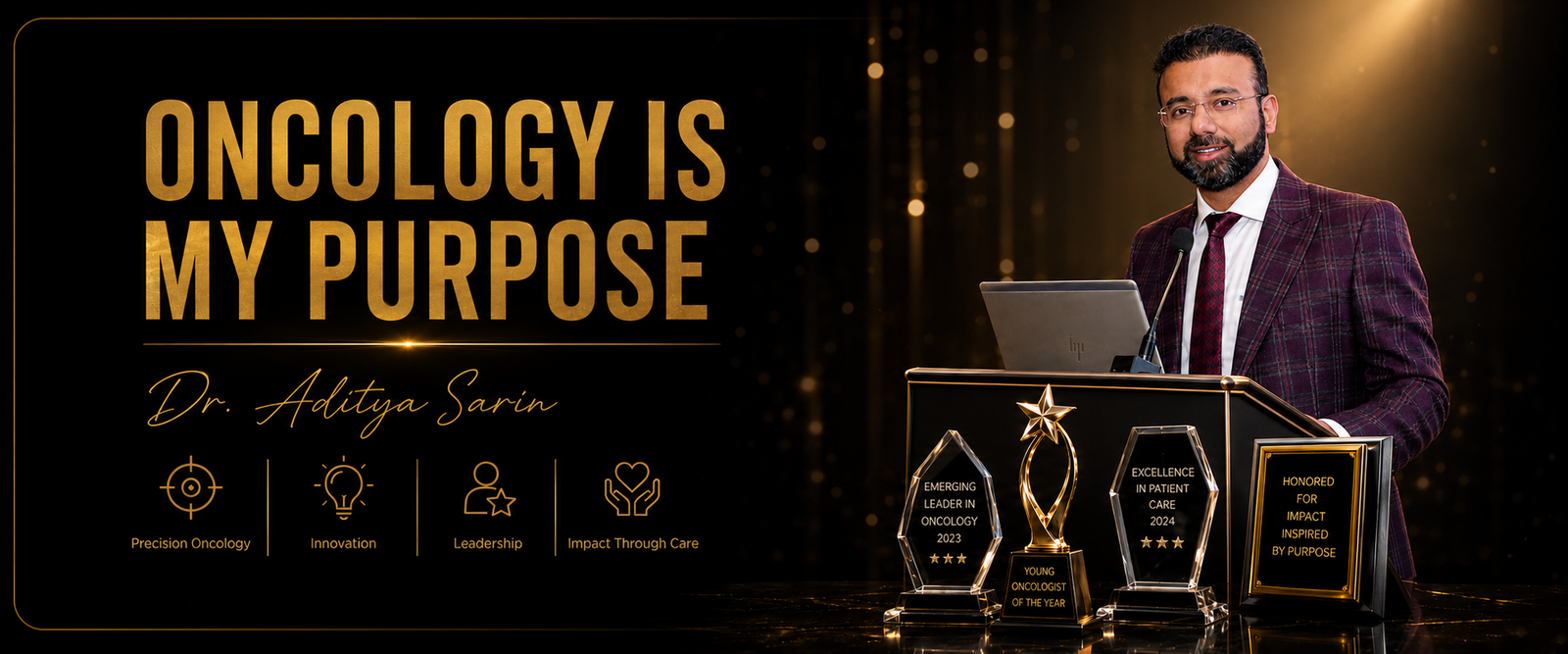
International certifications, such as board certification from the European Society of Medical Oncology or the American Society of Clinical Oncology, indicate additional expertise and exposure to global oncology standards. Dr Aditya Sarin at Sir Ganga Ram Hospital, for instance, holds ESMO board certification and has completed specialised training from Harvard Medical School in immuno-oncology and precision oncology.
How much does experience matter?
Qualifications establish a baseline, but experience treating your specific cancer type matters significantly for outcomes. Worth asking about.
- Years of practice treating cancer patients.
- Case volume for your specific cancer type.
- Any sub-specialisation relevant to your diagnosis.
- Contribution to research or publications in the field.
An oncologist who regularly treats your cancer type will be more familiar with current protocols, likely complications, and the nuances that affect outcomes.
Why does hospital affiliation matter?
A hospital’s infrastructure, support services, and treatment capabilities directly shape your care experience, often as much as the individual doctor’s qualifications.
Look for NABH or JCI accreditation, a dedicated oncology department, 24/7 emergency and ICU access, and in-house diagnostics including PET-CT, MRI, and pathology labs. Delhi has several premier cancer centres, including AIIMS, Sir Ganga Ram Hospital, BLK-Max Super Speciality Hospital, Rajiv Gandhi Cancer Institute, and Tata Memorial Centre. Our guide to choosing a cancer specialist in Delhi breaks down what each hospital is known for.
What treatment capabilities should the hospital offer?
Modern cancer treatment requires access to a range of therapeutic options, not just standard chemotherapy. Verify that the hospital offers current chemotherapy protocols, immunotherapy and targeted therapy, precision oncology through genetic and molecular profiling, access to clinical trials, and radiation or surgical oncology services where relevant.
Precision oncology, which uses genetic testing to tailor treatment to a tumour’s specific characteristics, is increasingly central to modern cancer care. Oncologists who specialise in this approach can often offer more targeted treatment with fewer side effects than a standard, uniform protocol.
How important is communication style?
Medical expertise matters, but you will be working closely with this doctor for months or years, which makes communication central to the relationship.
During your first consultation, notice whether the doctor explains things clearly, listens to your concerns fully, shows empathy about the emotional weight of your diagnosis, and gives you adequate time rather than rushing. Notice, too, how easy it is to reach the doctor or their team between appointments.
When meeting a cancer specialist doctor in Delhi, pay attention to how clearly they explain your diagnosis, treatment options, and next steps, and whether they give you enough time to ask questions.
Modern oncology also favours shared decision-making, in which the doctor presents options and works with you to choose the approach that best fits your medical situation and personal priorities, rather than simply dictating a course of action. Trust your instincts. If something does not feel right in the first meeting, it is worth considering other options.
What practical factors should you consider?
Cancer treatment often involves frequent hospital visits, so proximity, parking, public transport access, and flexible scheduling are all worth weighing against the quality of care on offer.
Cost is equally practical. Ask whether the doctor accepts your insurance, whether the hospital provides clear cost estimates before treatment begins, whether payment plans or financial assistance are available, and whether cost-effective generic medications will be considered where appropriate. Delhi offers both government hospitals, such as AIIMS, with subsidised or free treatment, and private hospitals at varying price points. Discuss costs openly with your oncologist.
What questions should you ask during your first consultation?
Walking in prepared with questions helps you evaluate whether a doctor is the right fit, covering their experience, your specific diagnosis, treatment goals, and available support. Our complete guide on questions to ask your oncologist organises the full list by appointment stage, from your first diagnosis conversation through follow-up care.
What are red flags to watch for?
Most oncologists in Delhi are dedicated professionals, but a few warning signs are worth noting.
- A dismissive attitude towards your concerns, questions, or symptoms.
- No clear explanation of why a specific treatment is recommended for your case.
- Pressure to make immediate decisions without time to consider options.
- No mention of newer treatment options, such as immunotherapy or precision medicine, when relevant.
- Consistently poor communication from the doctor’s staff.
- Vagueness about qualifications, training, or experience with your cancer type.
If something feels wrong, it is entirely reasonable to seek another opinion or change oncologists
Why get a second opinion?
Getting a second opinion is not just your right; it is often a wise decision. It can confirm your diagnosis and staging, surface alternative treatment options, and give you confidence in the path you choose. Most reputable oncologists support this. You can read more about how this works on our second opinion page.
How do you make your final decision?
Once you have met with one or more oncologists, consider their qualifications and experience, the hospital’s facilities and technology, their approach to treatment, communication style, and practical factors such as location and cost. Recommendations from family and friends, as well as online reviews, can help you create a shortlist, but the final decision should be based on which doctor you feel most comfortable with and confident in.
For people searching for the best cancer doctor in Delhi, it is useful to look beyond online rankings or reviews. Consider the doctor’s experience with your specific cancer type, the treatment options and facilities available, how clearly they communicate, and whether you feel comfortable asking questions and discussing your concerns.
How do you build a strong partnership with your oncology team?
Once you have chosen your oncologist, actively work to build a strong partnership, since a successful treatment journey depends on teamwork between you and your medical team.
- Be honest and open about symptoms, concerns, and lifestyle factors.
- Follow treatment plans and medication schedules as prescribed.
- Ask questions whenever something is unclear.
- Keep a symptom diary to help your doctor track your progress.
- Bring a family member or friend to appointments to help remember information.
- Communicate promptly about side effects or new symptoms.
Your active participation in this partnership genuinely improves outcomes and quality of life.
The takeaway
Choosing the right oncologist in Delhi is one of the most important decisions you will make after a cancer diagnosis. Taking time to check credentials, ask questions, and trust your instincts will help you find a specialist who provides excellent medical care while supporting you as a whole person.
Dr Aditya Sarin, DrNB Medical Oncology, MD (General Medicine), ESMO Board Certified, is a Consultant Medical Oncologist at Sir Gangaram Hospital, New Delhi, with a focus on precision oncology and personalised treatment planning. You can book a consultation with Dr Aditya Sarin to discuss your case directly.
Frequently Asked Questions
How do I check if an oncologist's registration is valid?
You can verify a doctor's registration directly through the National Medical Commission's public register, which replaced the Medical Council of India in 2020.
Should I choose a medical oncologist or a specialist in a specific cancer type?
Most patients start with a medical oncologist, who coordinates overall care and brings in a surgical or radiation oncologist as needed. Sub-specialisation in your specific cancer type is a bonus worth asking about.
Is it rude to ask for a second opinion?
No. Most reputable oncologists support and even encourage second opinions, and many hospitals in Delhi, including Sir Ganga Ram Hospital, offer formal second opinion services.
How many oncologists should I consult before deciding?
There is no fixed number. Meeting with one or two is often enough to compare qualifications, communication style, and treatment approach, as long as you feel confident and comfortable with your final choice.
What should I do if I notice a red flag during my first consultation?
Trust your instincts. If something feels wrong, whether it is a dismissive attitude or a lack of clear explanation, it is entirely reasonable to seek another opinion or consult a different oncologist.

Dr. Aditya Sarin
Consultant, Medical Oncology · Sir Ganga Ram Hospital, New Delhi
MD (General Medicine) · DrNB (Medical Oncology) · ESMO (European) Board Certified
Dr. Aditya Sarin is a medical oncologist who combines precision molecular profiling with evidence-based, compassionate cancer care. Named Young Medical Oncologist of the Year, he treats the full spectrum of solid and blood cancers through a multidisciplinary tumor-board approach at Sir Ganga Ram Hospital.